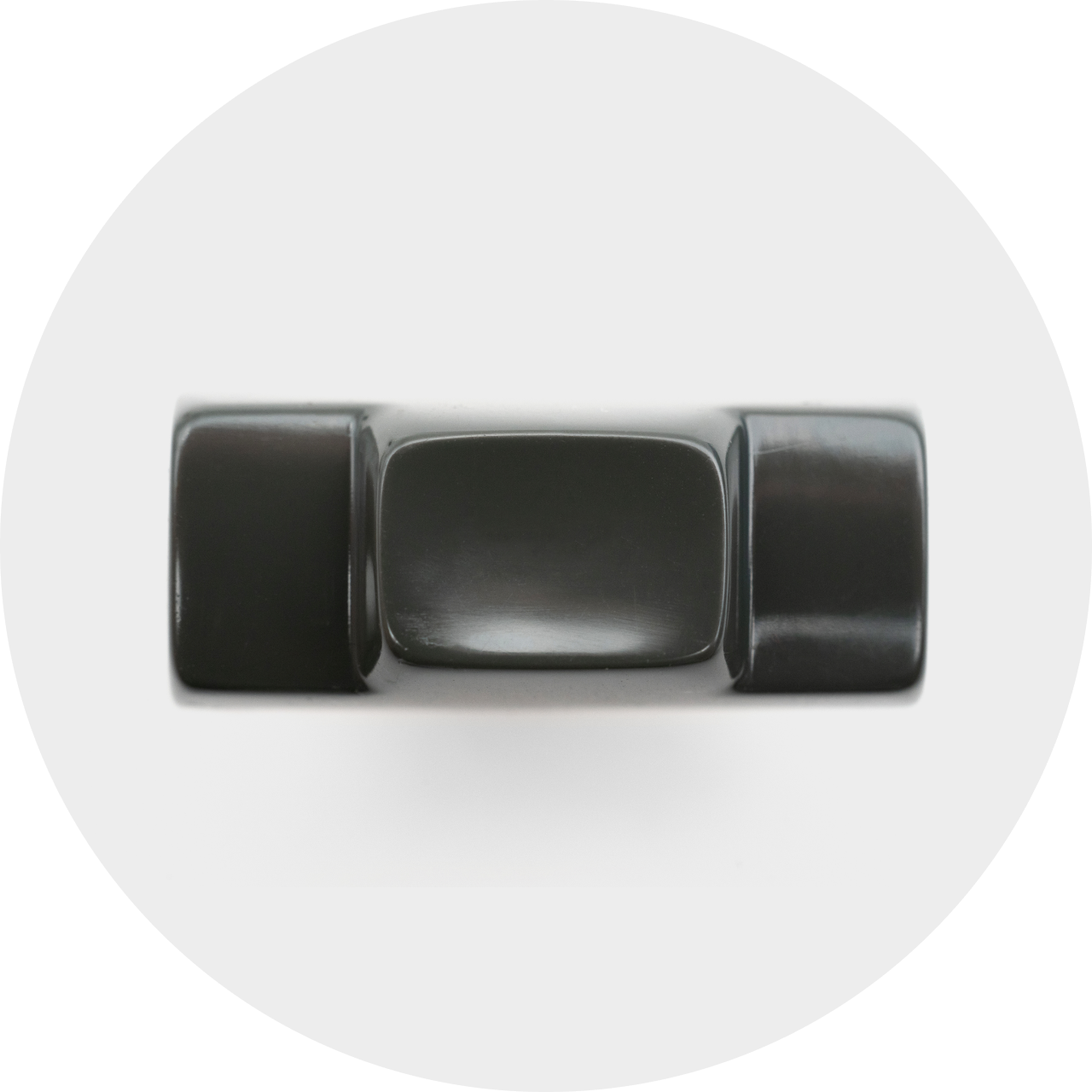
New in the collection, pt. 6: Dance Dance Revolution Hand Controller
What was the first time you were impressed by the internet?
I remember a few moments: a Polish site cataloguing the starships of Star Trek The Next Generation, a giant text file with the Pet Shop Boys discography, and the Home Computer Museum.
Home Computer Museum is still around, unchanged since 2007. It feels exactly how I remember it, with the design harkening to much smaller screens and slightly different browser expectations.
What I loved about HCM were the photos; there was simply no other site in that category that looked as good in the late 1990s.
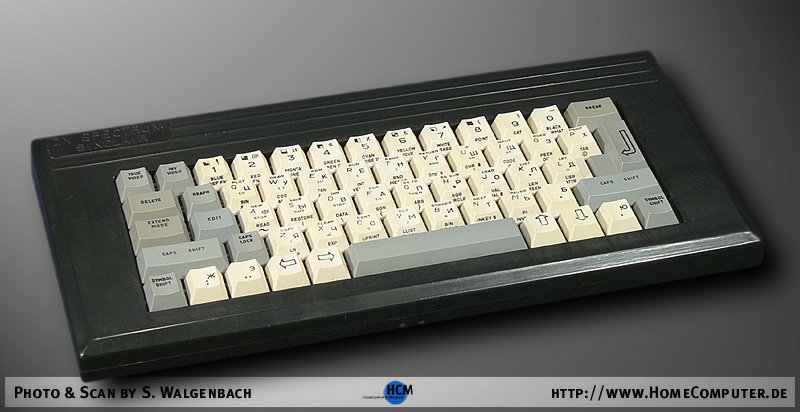
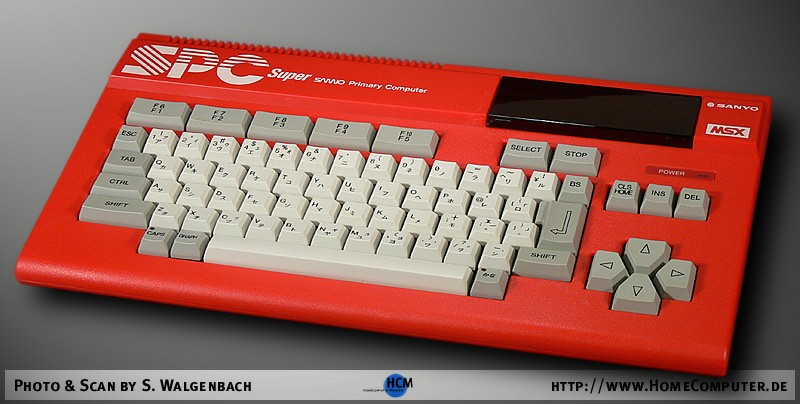
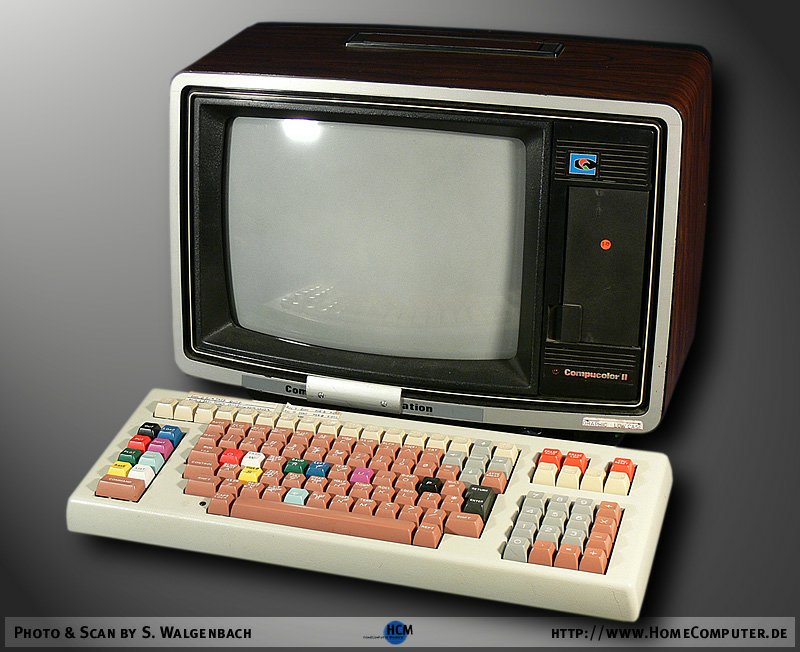
I know these photos are not going to be impressive today, but back in the day I fullscreened them one by one, and poured over all the fascinating keyboards and devices.
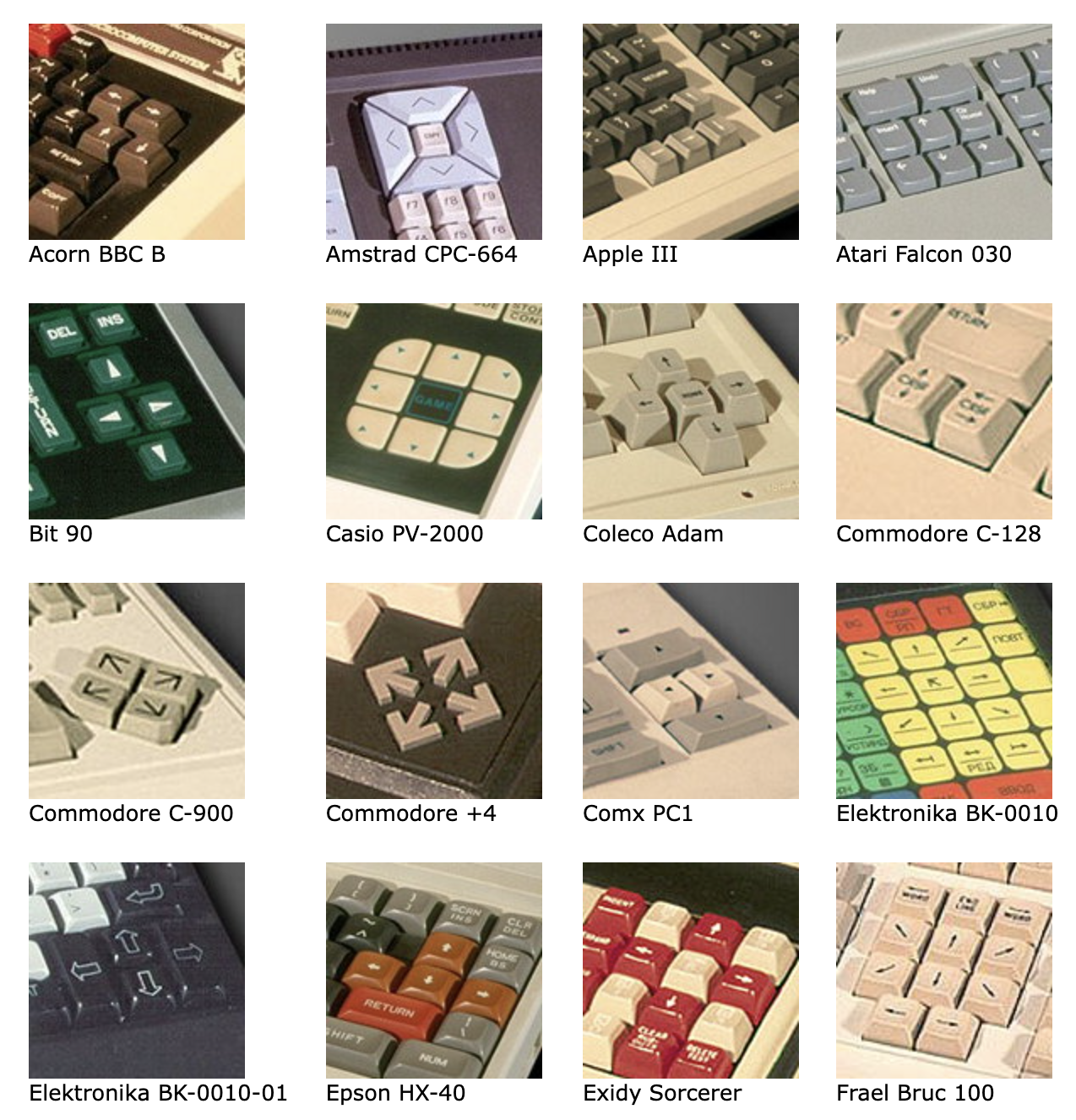
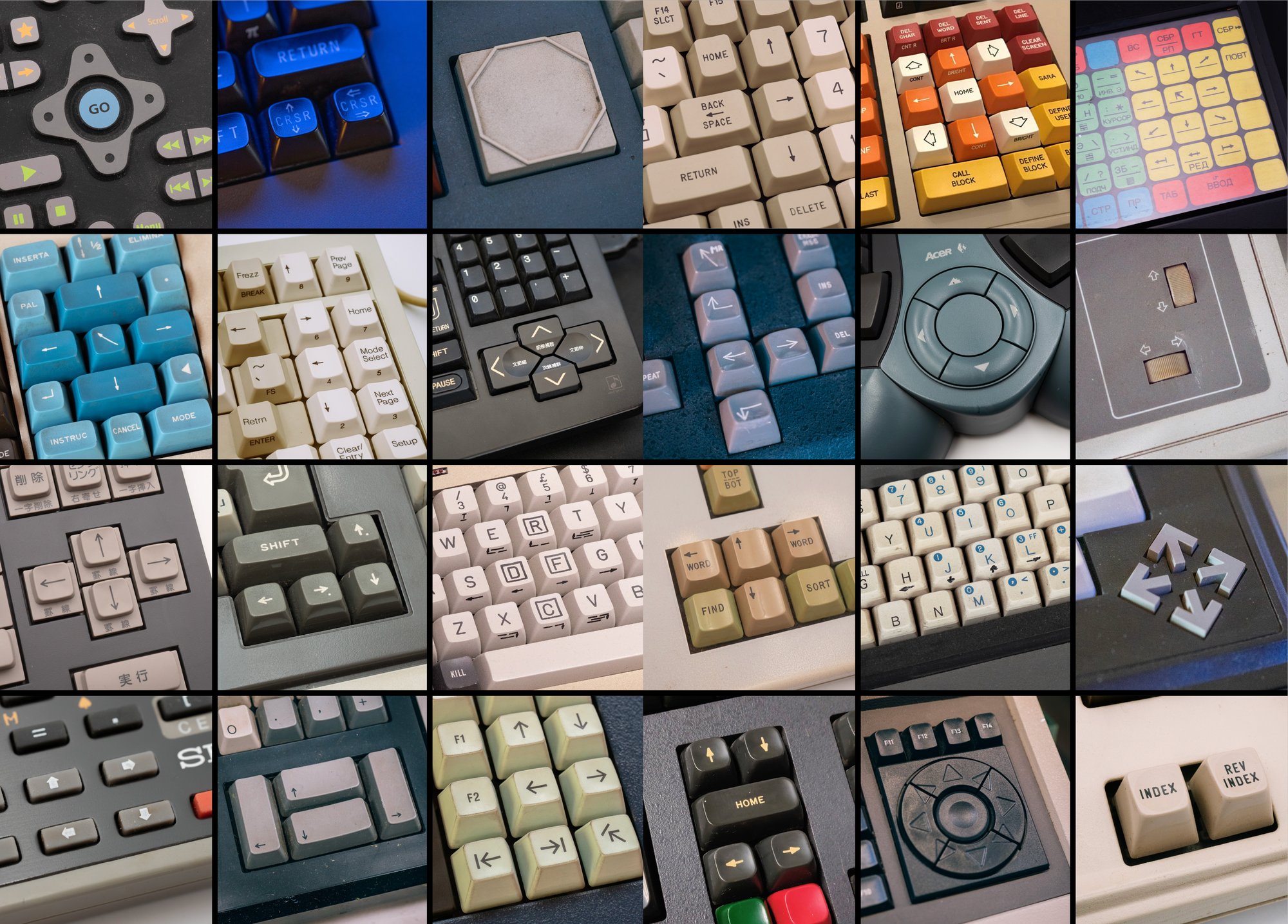
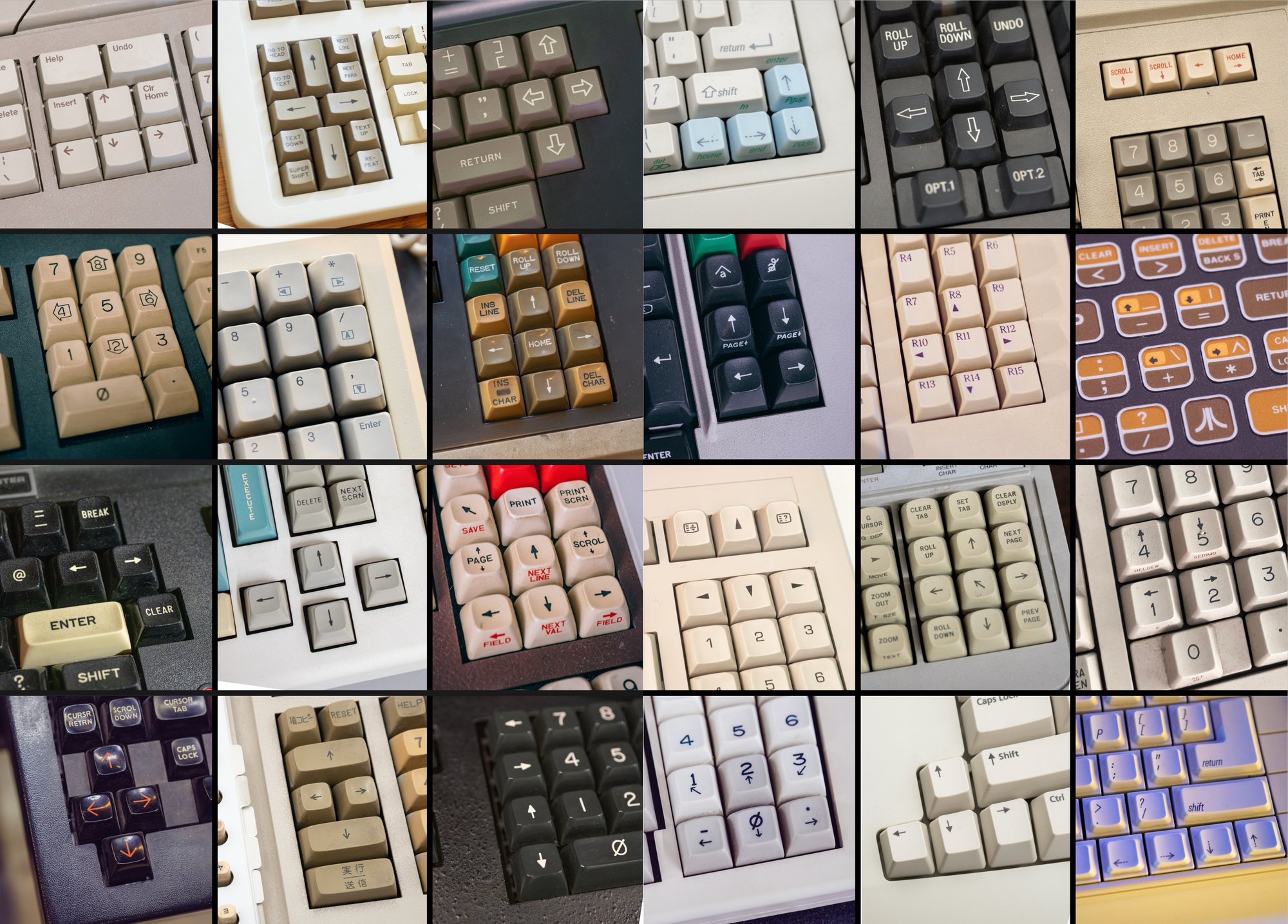
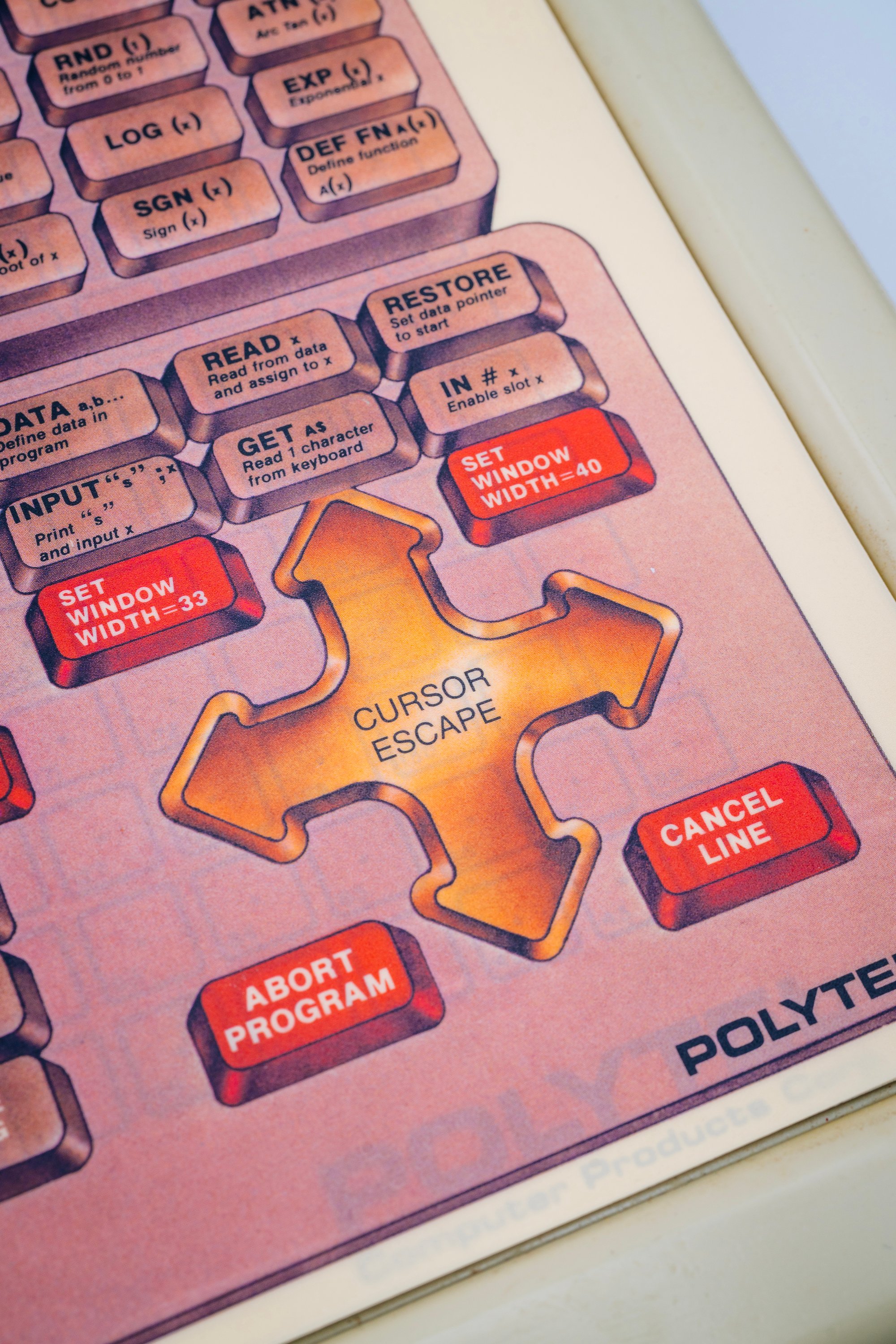
I remember being particularly enchanted by arrow keys. There are only four keys – how many ways could there be to lay them out? Turns out: a lot, with seemingly every keyboard trying something new here.
I even put together a little gallery of those:
If this looks familiar to you, it’s because I’ve done the same thing in the book, on pages 688–691:
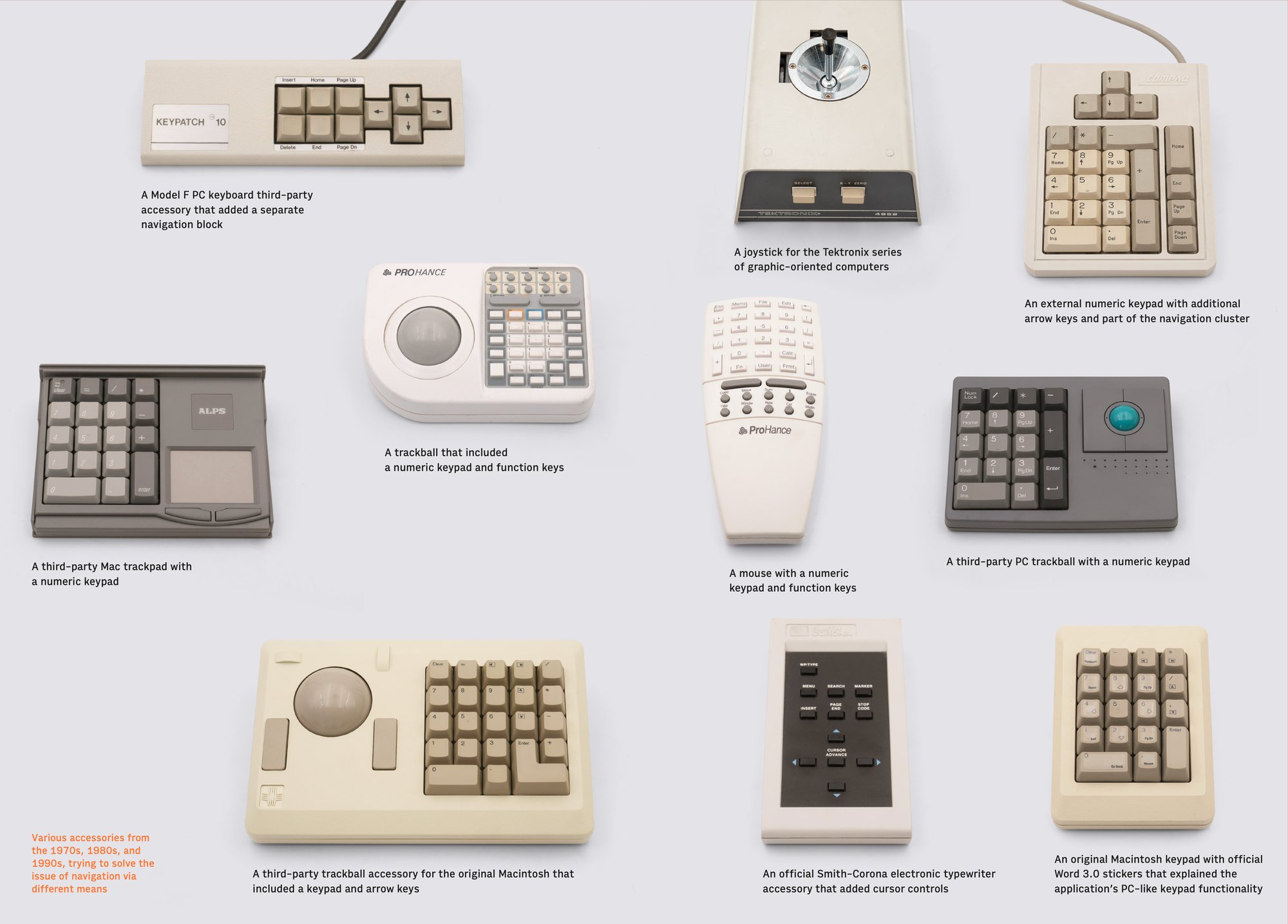
And, in addition to those, I also wanted to show various other methods of on-screen positioning, so I added this little gallery of keypads.
⌘
How many of you remember Dance Dance Revolution? The game arrived too late for my prime arcade days of late 1980s/early 1990s, so I don’t know much of it personally, but it became something of a cultural phenomenon. The main series alone gave us about 60 different kinds of arcade games since 1998, and that doesn’t include home games or other games influenced by DDR.
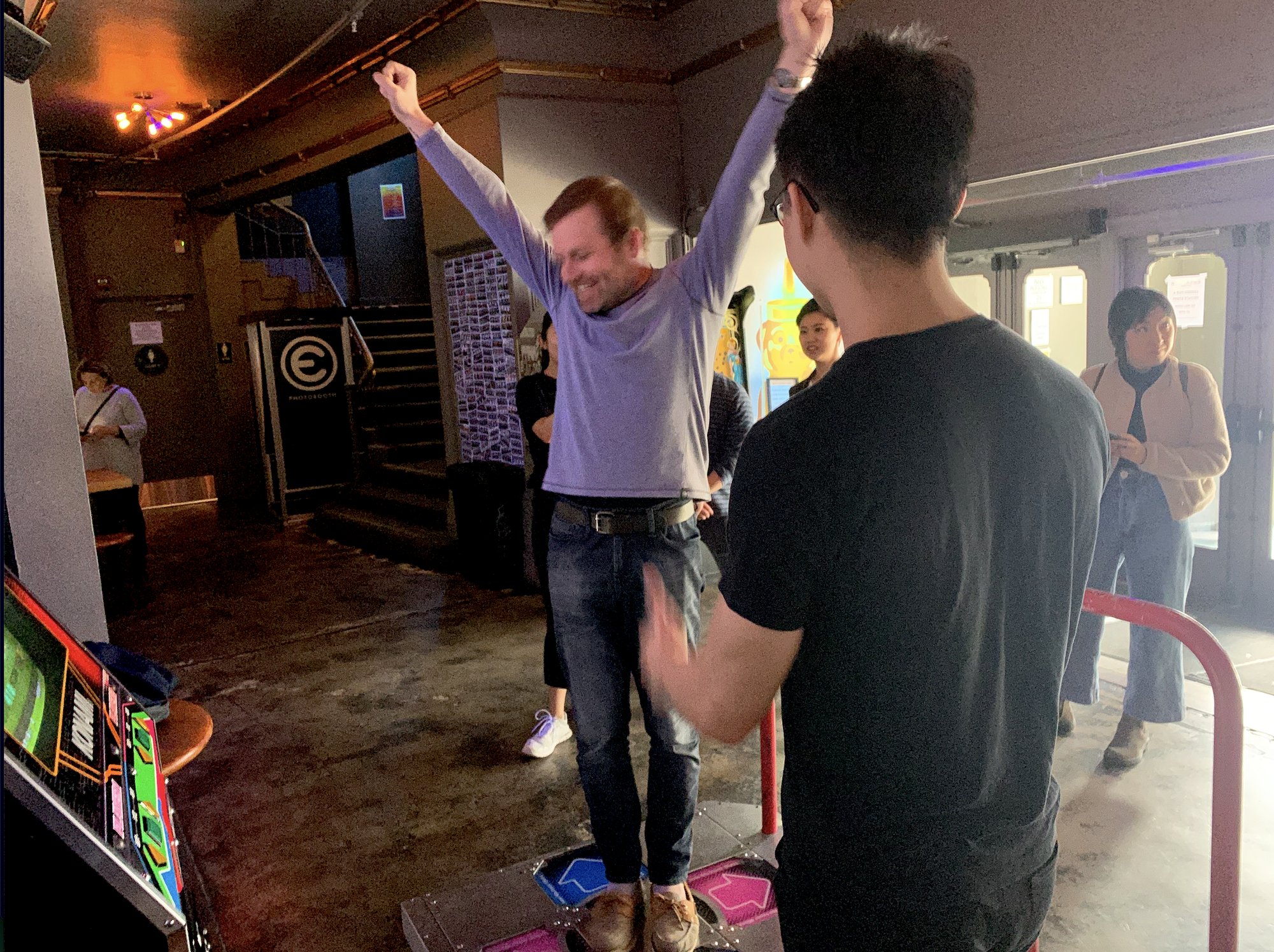
If you think about it in a reductive fashion, the interface to DDR is nothing more than an oddly specific set of arrow keys – just larger, more robust, and designed for your feet rather than your hands. And it’s not a surprise that given the popularity of the games, a community developed that can at times was as obsessive as, if much smaller than, mechanical keyboard fanatics.
Once you start digging, you see people modifying the home soft pads to be more resilient, grabbing the hard pads from arcade versions and repurposing them for home use, and constructing pads from scratch, using various materials and switch technologies (also including lasers). “Not satisfied with the cost and/or reliability of factory assembled metal dance pads, many players construct their own dance pad,” wrote someone on Wikipedia, without providing a citation.
All this sounds so familiar and yet all of it is a bit too far afield for the book. But I always had this idea of a little joke. You see, among many various official and third-party foot controllers, there’s also this one: an official PlayStation hand controller for DDR.
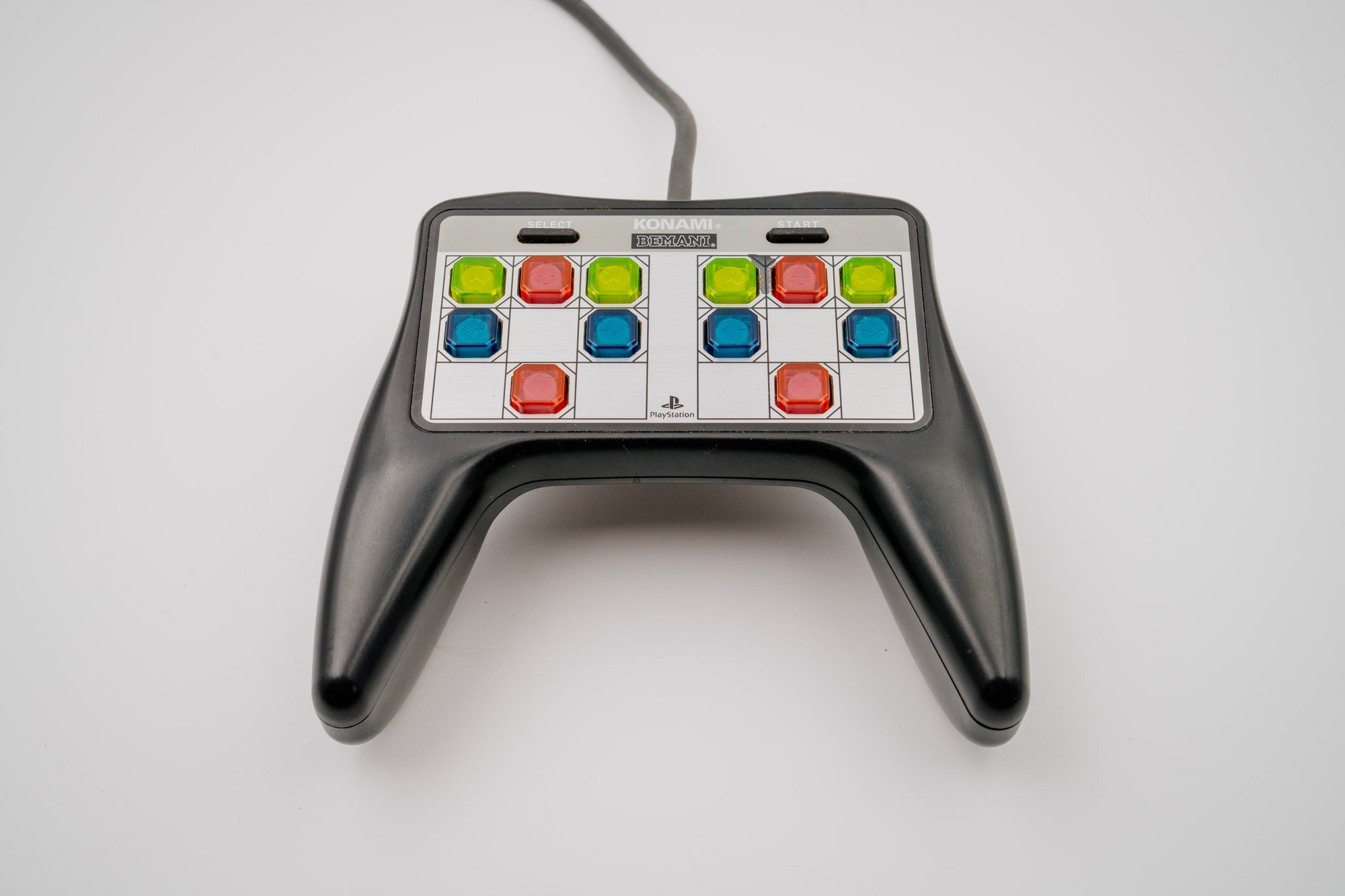
As you can tell from leafing through the extra third volume, I like inside jokes, and since that last gallery of pointing devices started (chronologically) with a pretty serious and expensive Tektronix joystick, I thought that ending it with a DDR controller would be a delightful injoke and fun commentary.
Unfortunately, the controller I eventually managed to get on Buyee arrived a few weeks too late to put in.
⌘
The arrows are everywhere, and the arrow mysteries and stories are everywhere, too.
Just from this most recent series of posts… why did the arrow key layouts vary so widely between the three Canon machines?
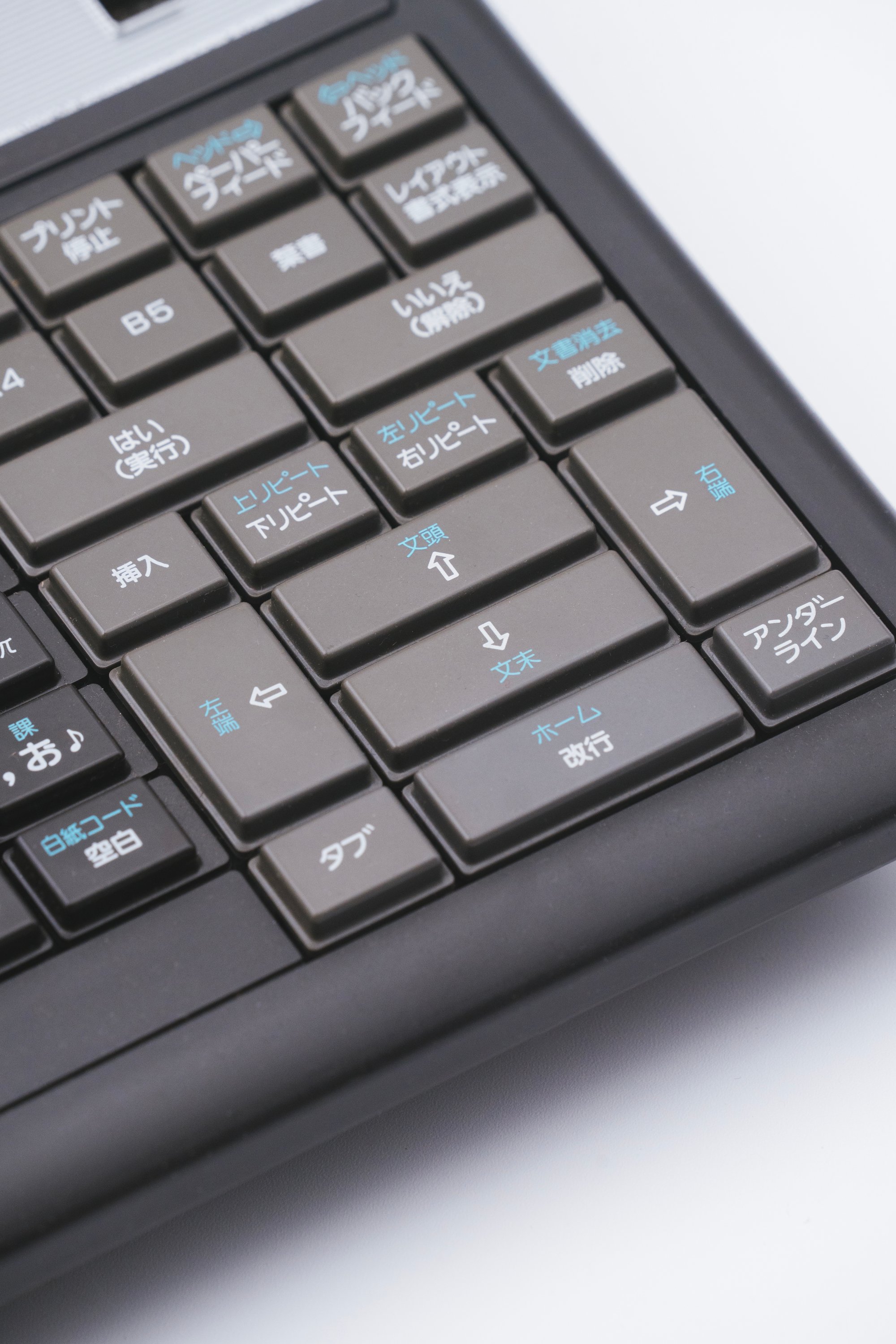
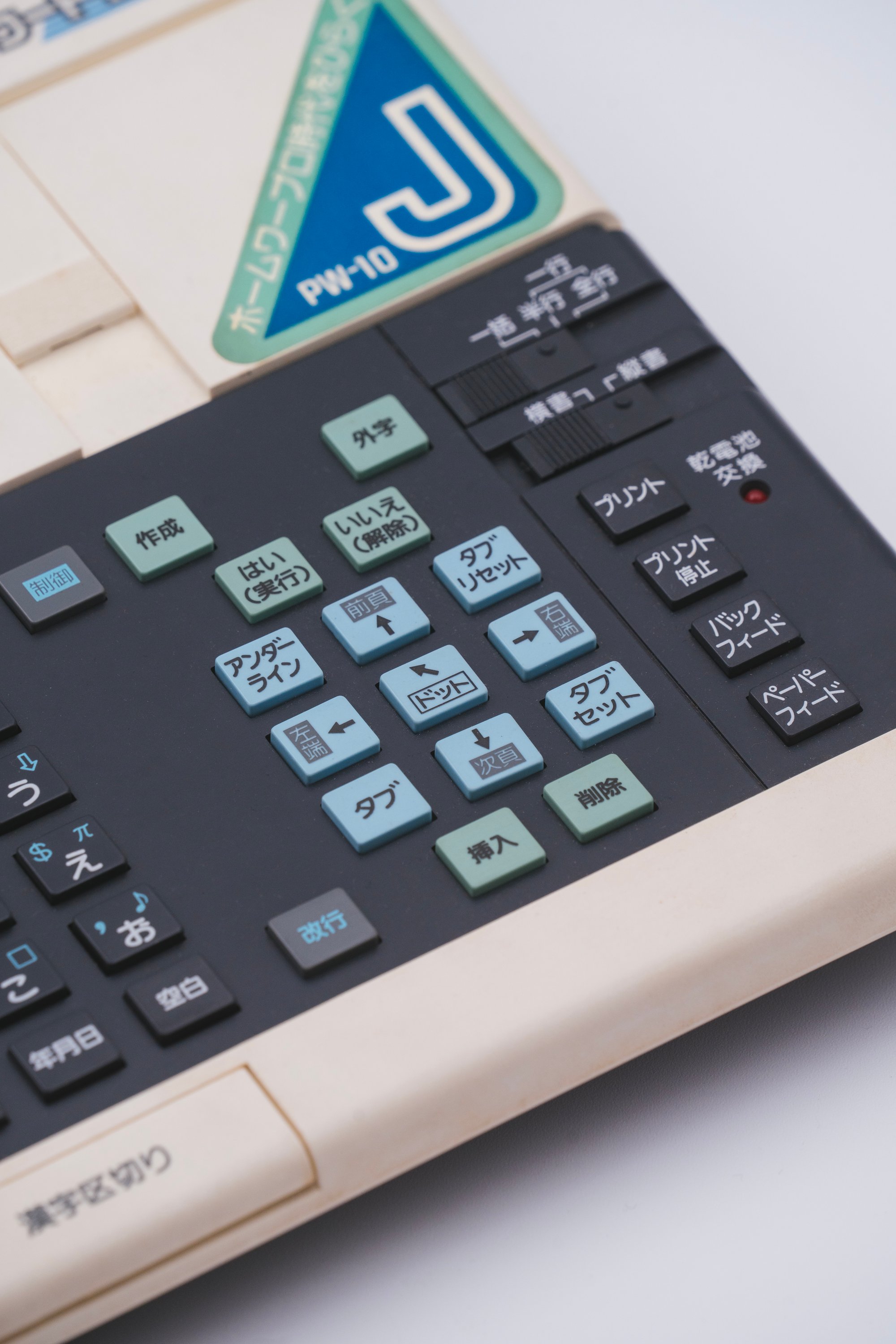
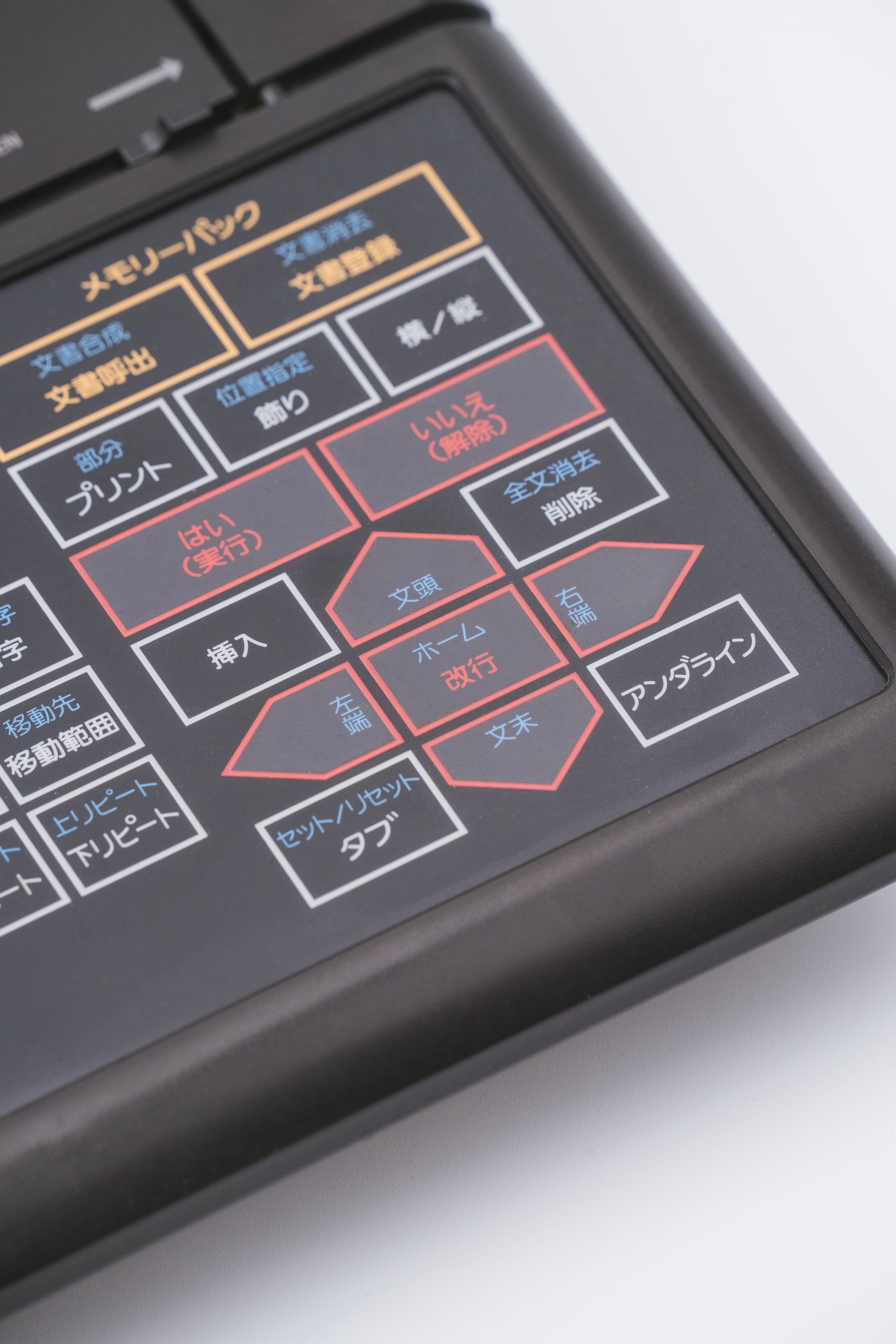
Why did some of the typesetting machines put the arrow keys on the left?
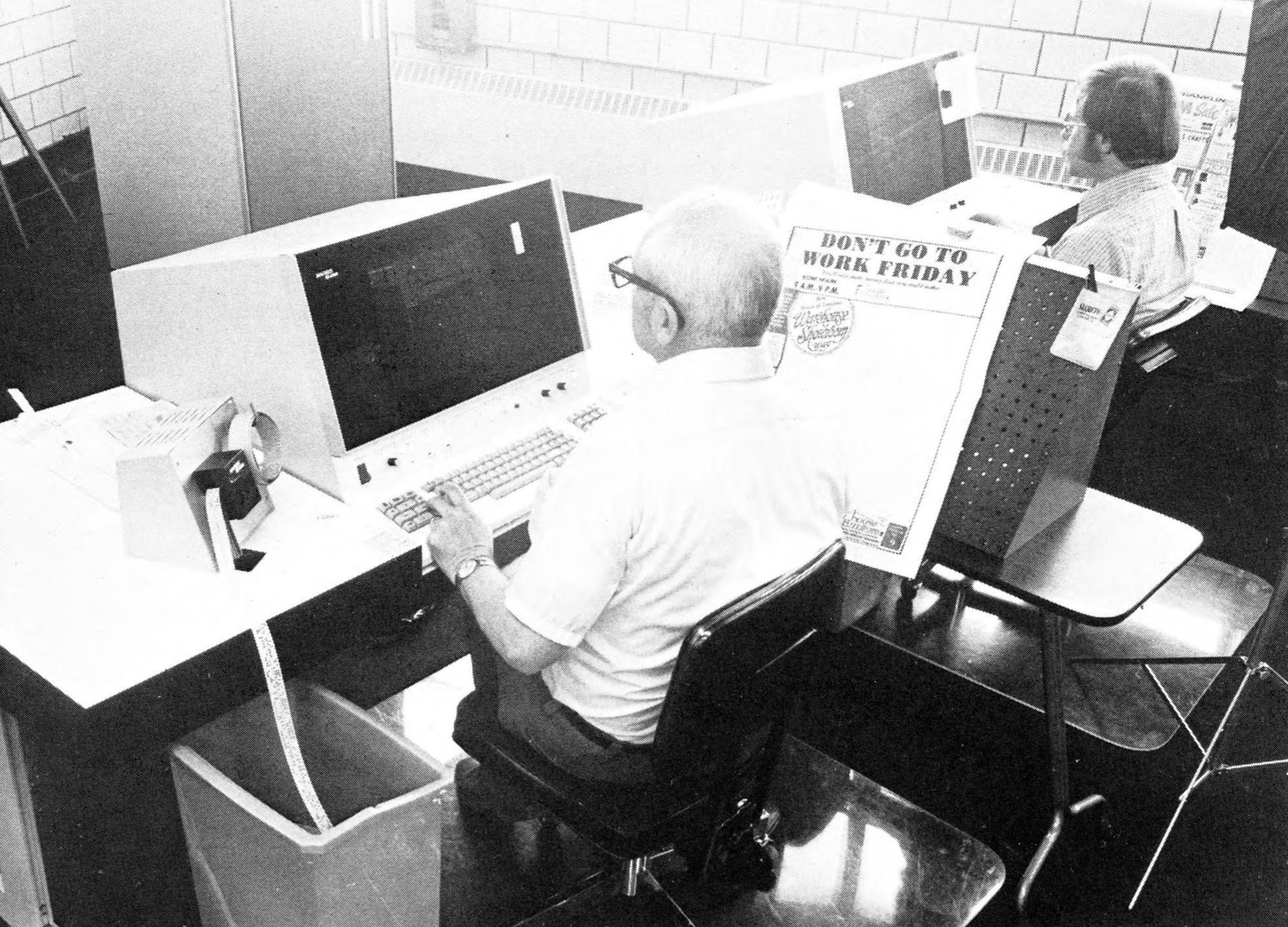
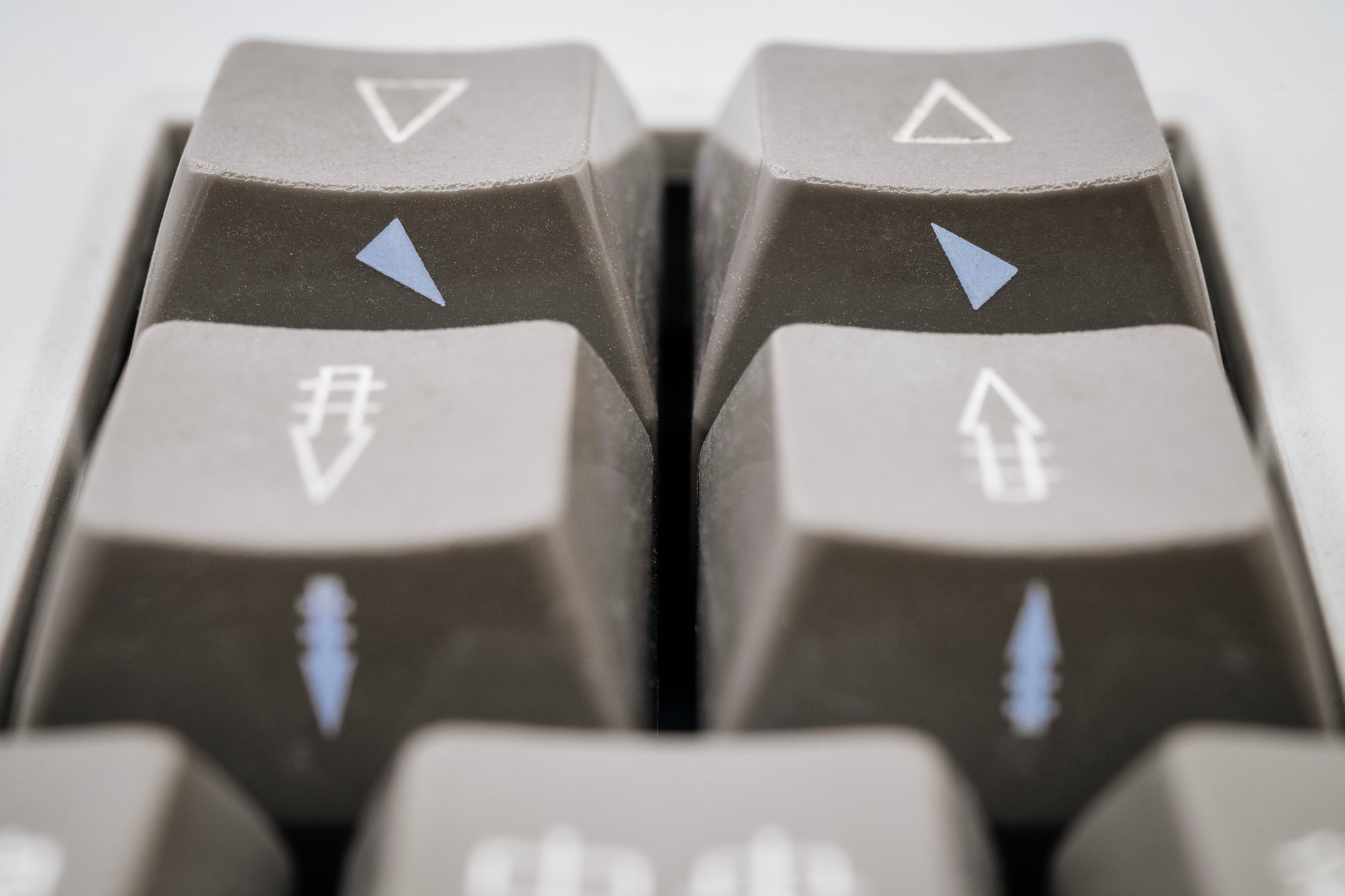
Are the front edges of the arrow keys on the NEC PWP-100 worn out just because they were used a lot, or was the owner pressing them in a particular way?
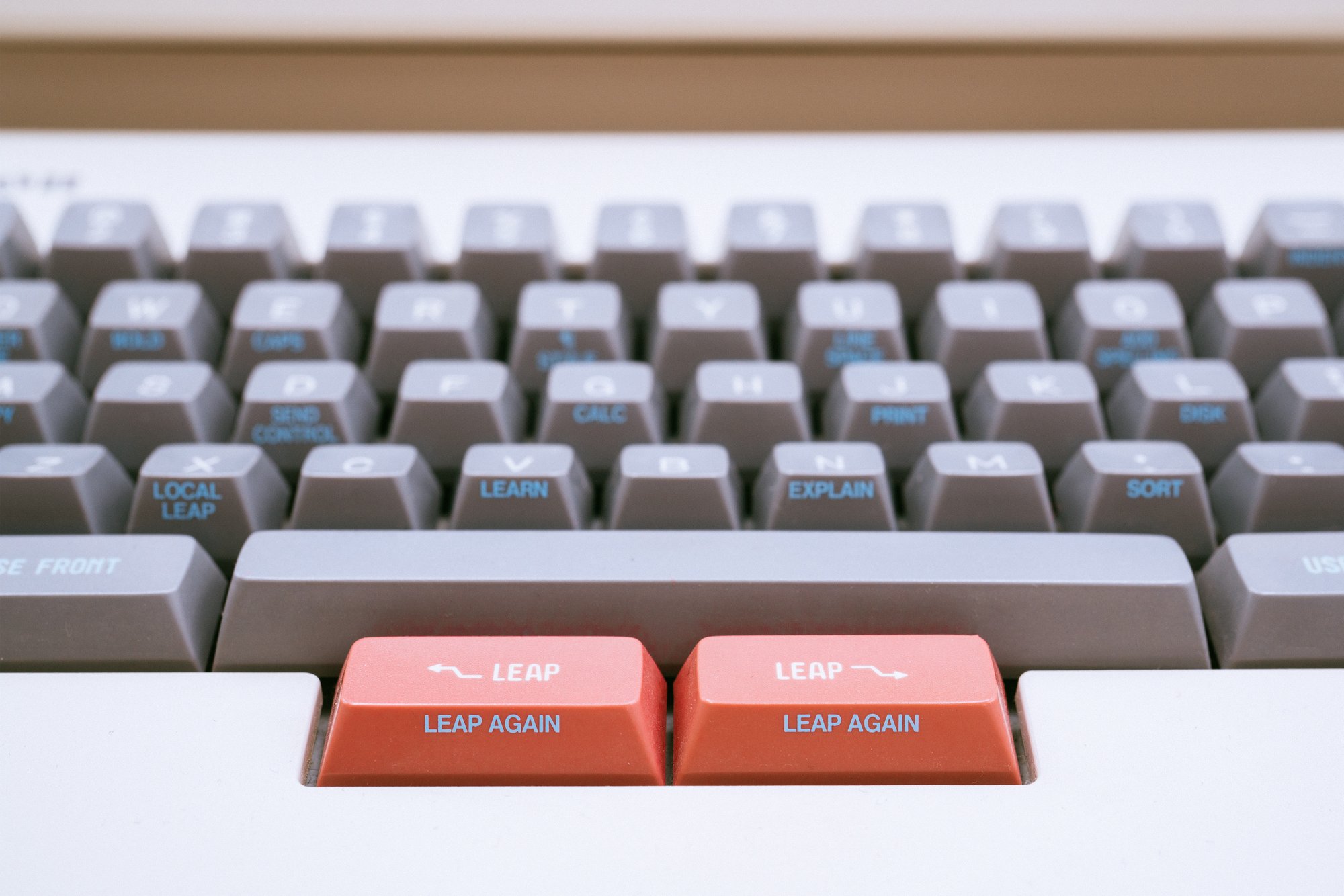
What was the true story of Raskin’s Leap keys – they were next to spacebar on all the prototypes, but ended up undearneath it on Canon Cat?
And how can we make sure the person who drew these Keyport 717 arrows got promoted?
When the Konami controller came just weeks after the book closed, I didn’t expect it to hold any mysteries. But I started looking at it more closely, and realized I am actually kind of perplexed by it.
First of all, is this meant to be a genuine alternative to a foot controller (fingers are so different than feet!), or more of an accessibility thing?
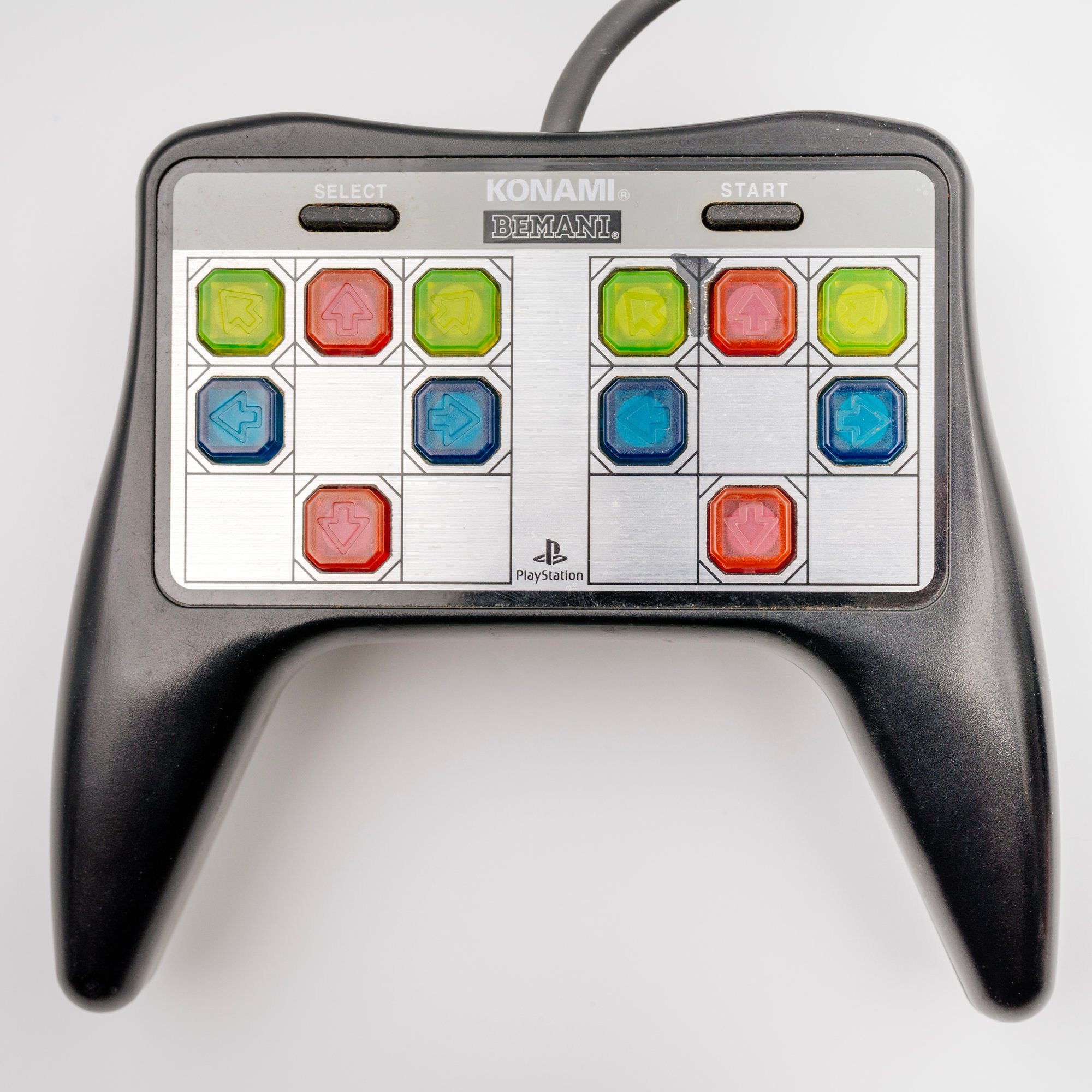
But most importantly: what’s up with the dual arrows? This felt more like a single-person controller to Robotron: 2084 or Smash TV. If two people were to hold it together (an idea I am very familiar with), you probably would design it differently?
But the back of the box showed just one person’s hands on the controller.
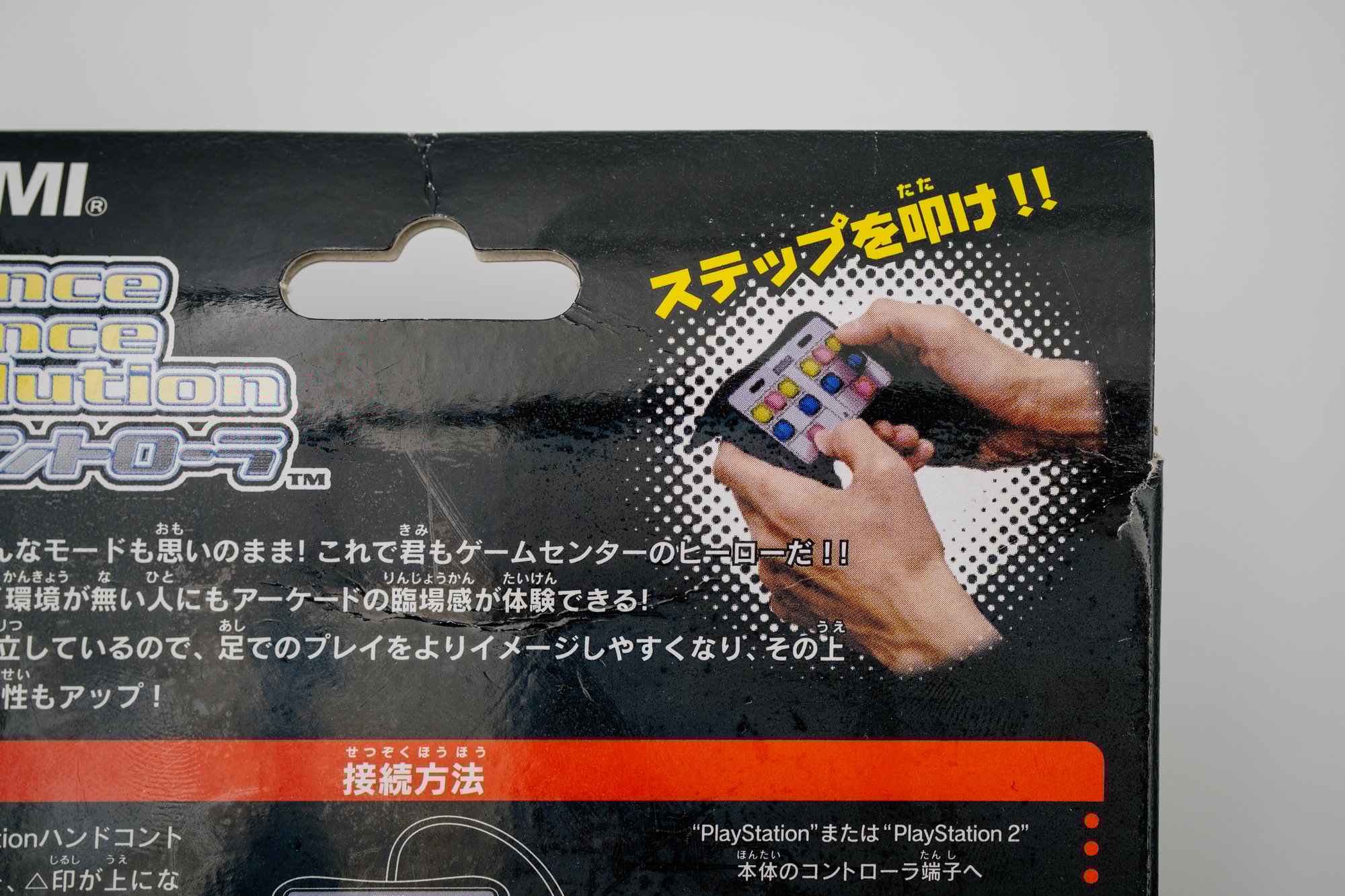
So, was it just done this way to make it easier to do two-hand operation without your fingers colliding?
There was something very interesting in this very idea of duplicating keys to make you go even faster, where any finger can now choose one of many identical keys. And I realized I haven’t seen that in keyboards often.
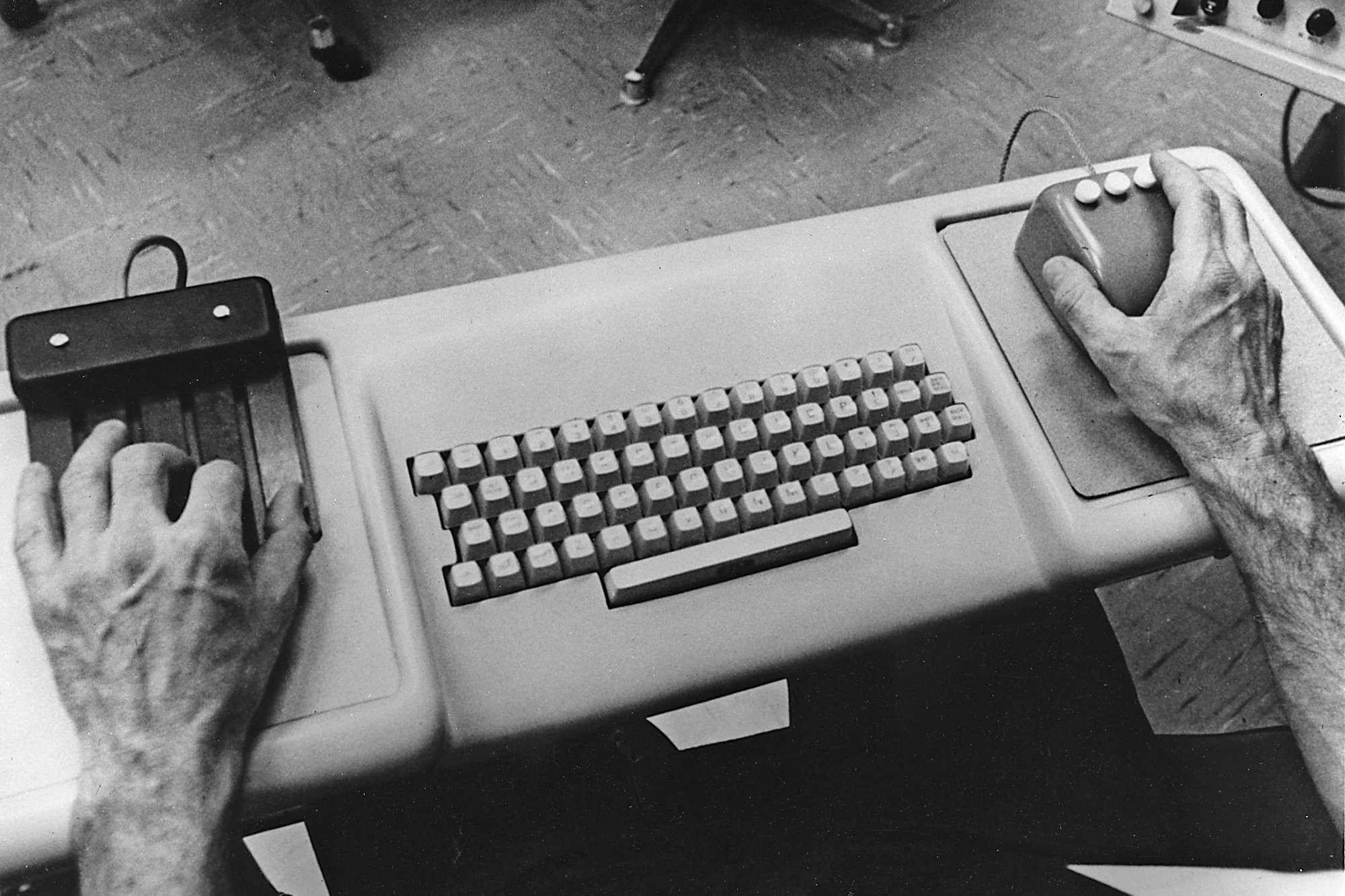
Sure, even Doug Engelbart in the 1960s could type from his keyset and from his keyboard, but those were very different modalities:
Many boring office keyboards have numbers repeated on them – a “typewriter” set above QWERTY, and the “calculator” set on a keypad to the right – but that also doesn’t feel like the same thing.
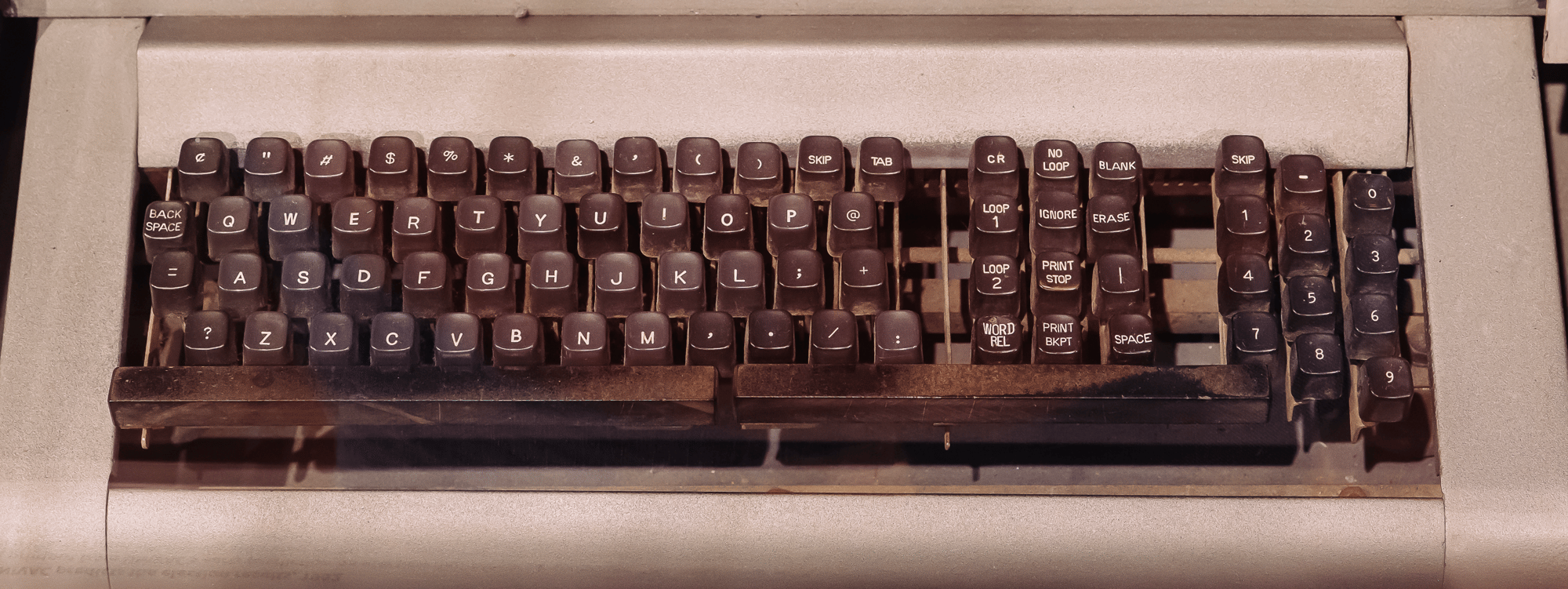
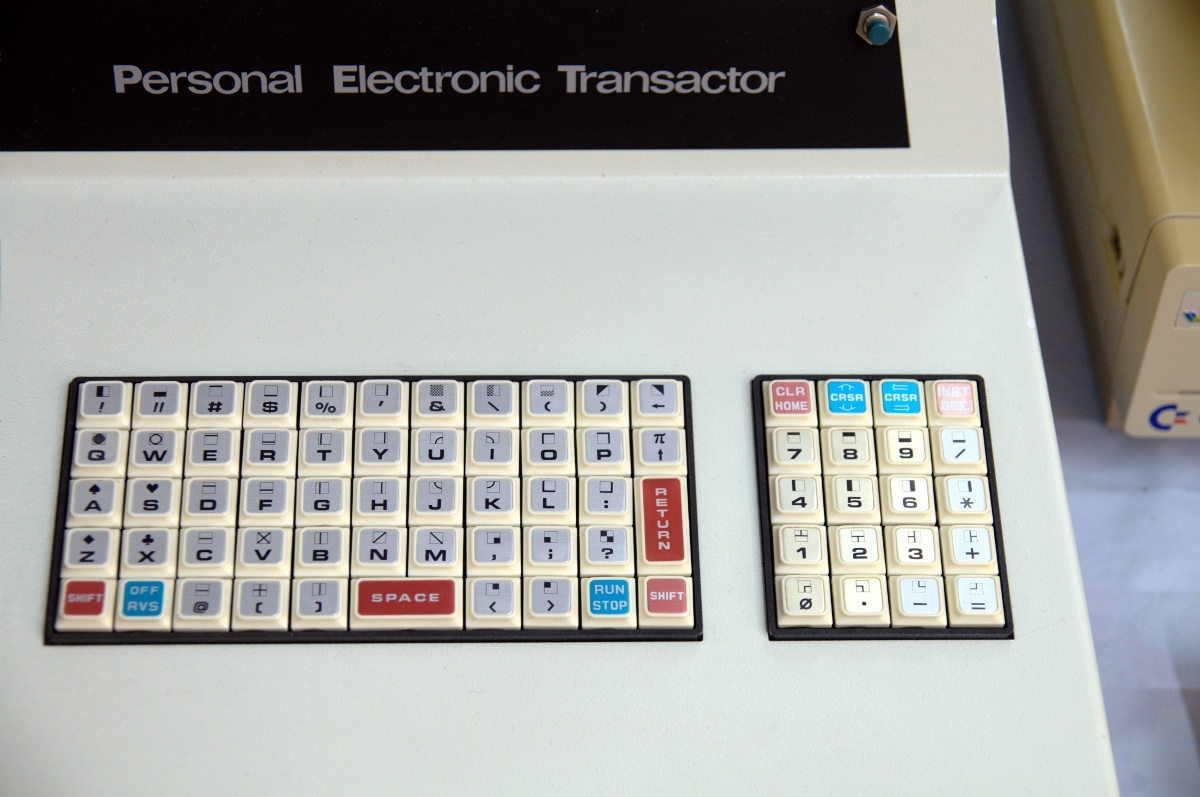
On those office keyboards, the arrows are also repeated, but that was sort of an accident no one remembers about.
The closest to this notion are modifier keys. In theory, at least, the modifier keys are completely symmetric; you are supposed to press the modifier key with the opposite hand. However, if you survey people on their modifier key use, I am sure that the reality is more complicated (⌘Z for undo, for example, is likely to always be left-handed). And, we are running out of space to keep those keys mirrored anyway – Apple’s new disaster that is the Globe key doesn’t even try.
I racked my brain trying to think of any keyboard that duplicates other keys, and I only thought of one. And, ironically, we are back where we started, with arrow keys:
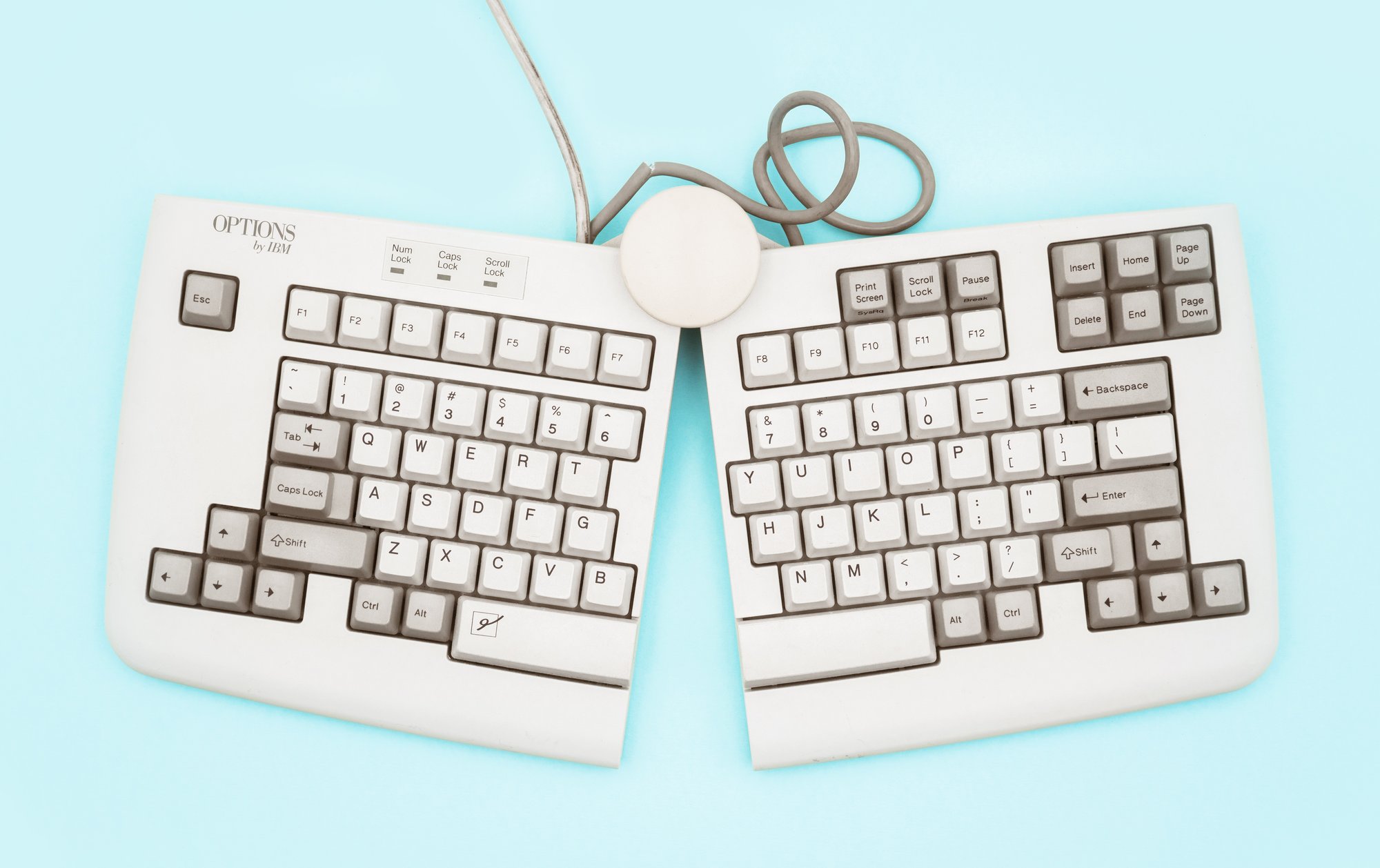
This is the rare Model M15. I didn’t think much of it before, assuming this is just a nod toward southpaws. But now I wonder if this would lead to some emergent new behaviour – just naturally picking whatever set of arrow keys is the “closest,” at any given moment.
I wonder why this didn’t catch on more. Jef Raskin long ago wrote about “monotony” – this idea that there should be just one way to do something in the interface. But I am not sure if that works for power users. Besides, there already is no monotony between a keyboard and a trackpad; you can select the text with either, access commands with either, and – especially in Asian countries – type with either. I have watched myself and others people fluidly switching between modalities without even thinking about them. It’s fun to imagine a keyboard leaning into that.
⌘
I am overthinking it, of course. The Occam’s Razor to the original question is: it’s just branding. DDR is a social game and came with two pads ever since the original machine. Putting one pad on a hand controller would look off, and maybe even silly.
But I liked how this goofy little controller that I wanted to put in as a joke actually provoked thoughts I never had when writing a book.
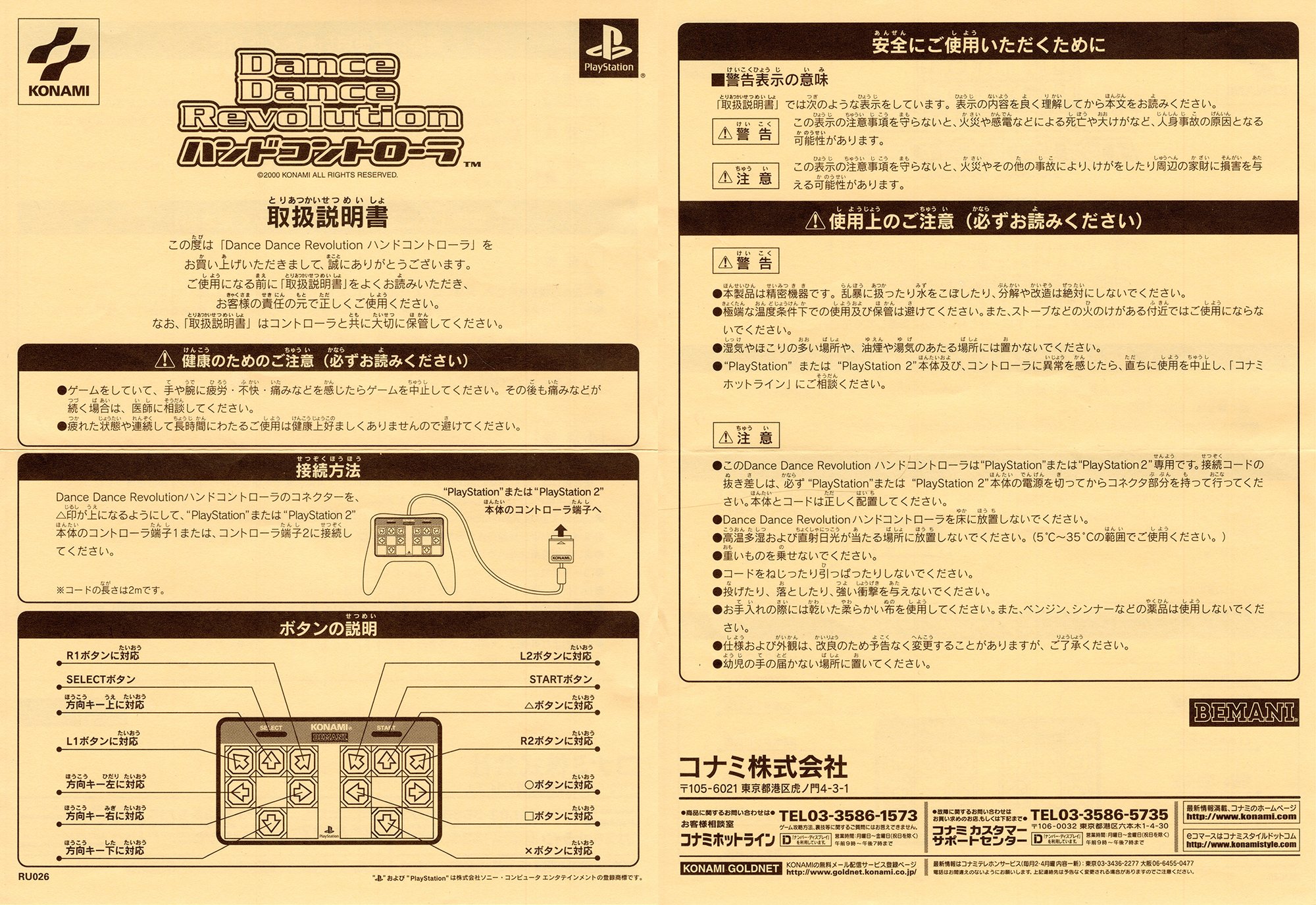
(I scanned the little booklet it came with and put it up on Internet Archive, if you read Japanese and you think it answers this.)
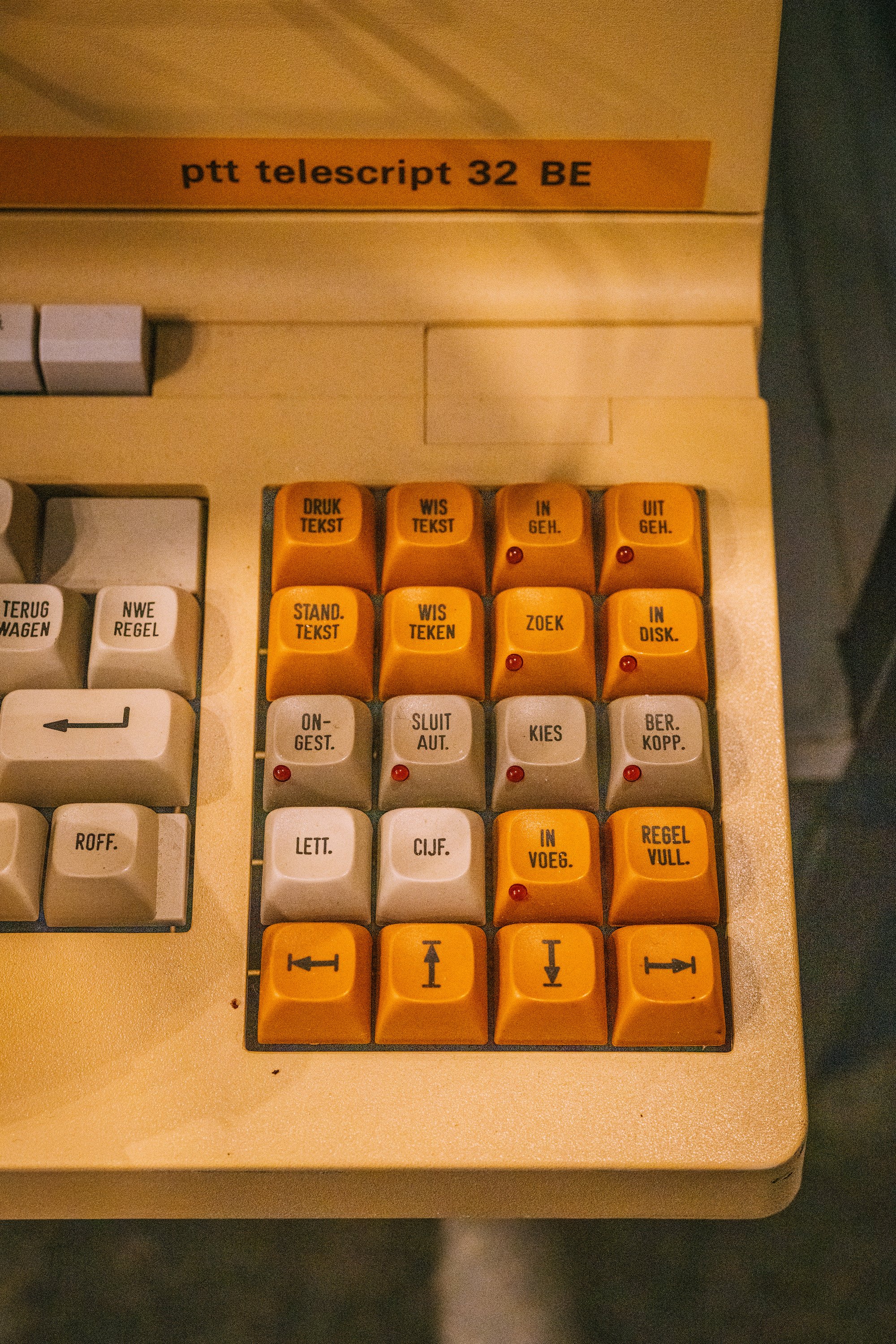
And it seems the arrow-key mysteries will continue. I saw a new layout on a Dutch teletype machine last year:
And just some months ago, I spotted this on eBay, a keyboard of unknown provenance and for unknown purpose:
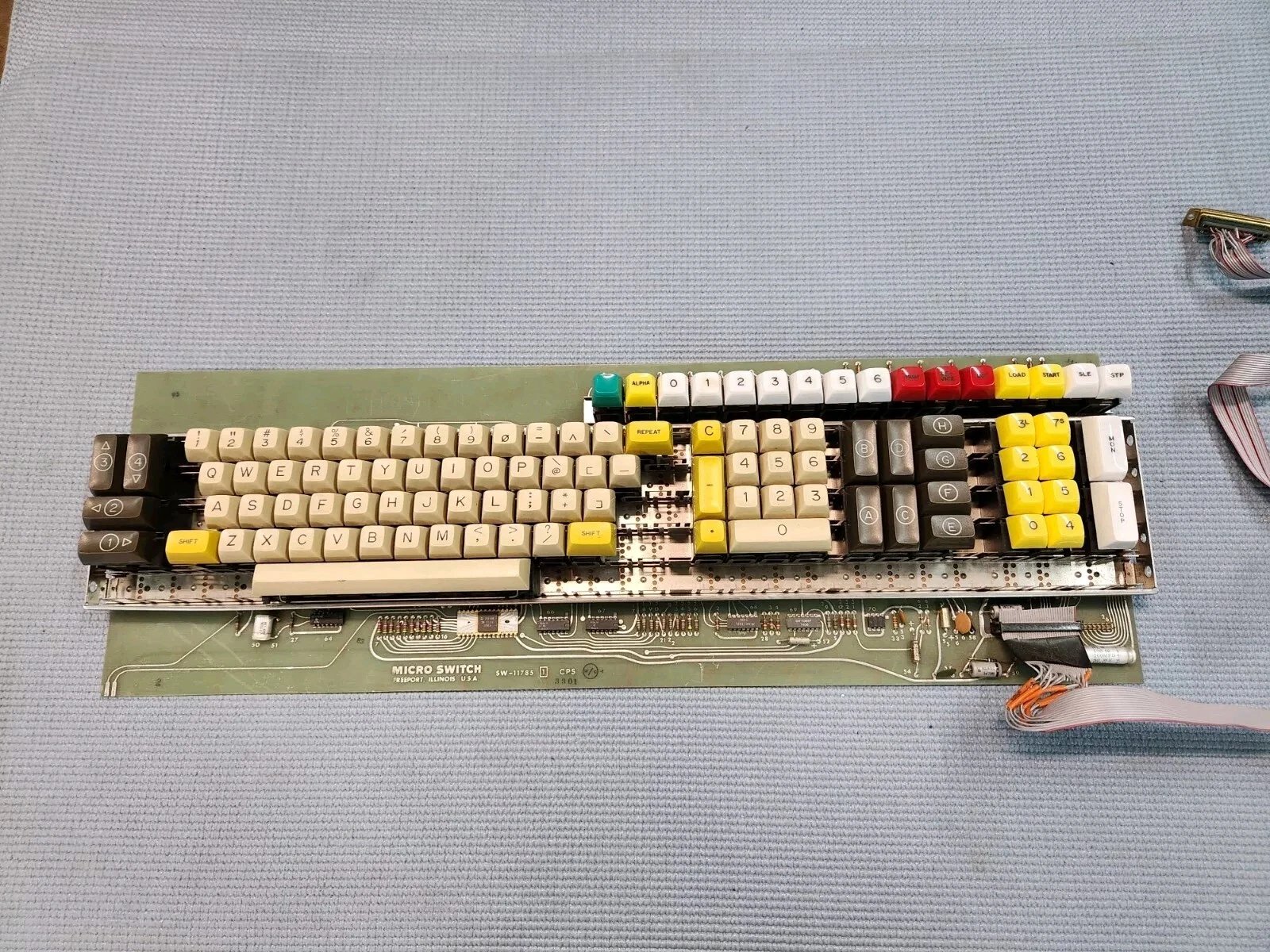
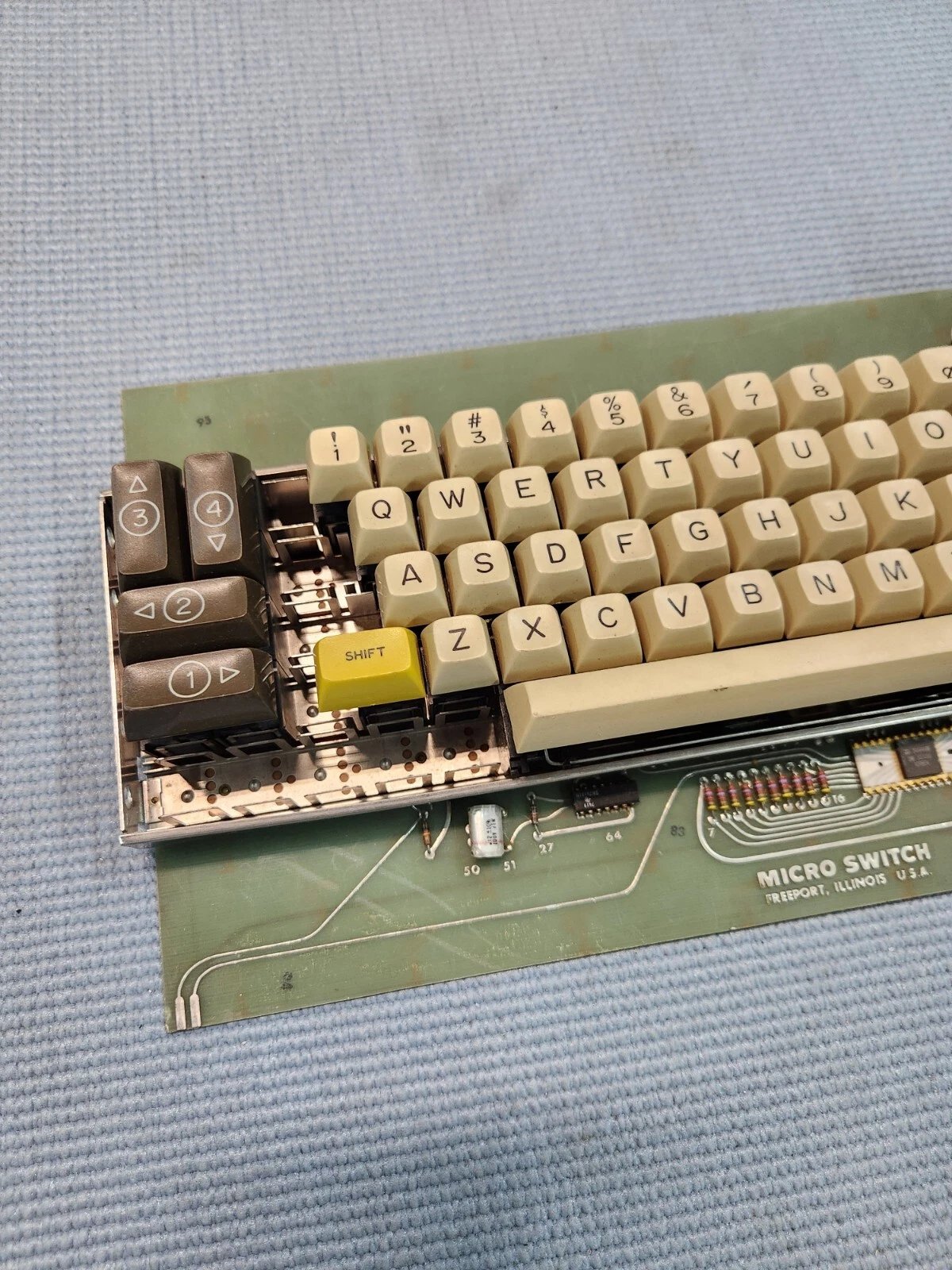
There are only four keys – how many ways could there be to lay them out? Turns out: always one more.
Just please don’t ask me to figure out why these were laid out the way they did.
Marcin
In a few days, the season finale: The worst keyboard ever made.
This was newsletter №50 for Shift Happens, a book about keyboards. Read more in the archives


