New in the collection, pt. 4: Non-Canon Cats
Speaking of Canon word processors, I still don’t know if I can fully explain the grasp Canon Cat (which occupied a big chunk of chapter 32) has on me.
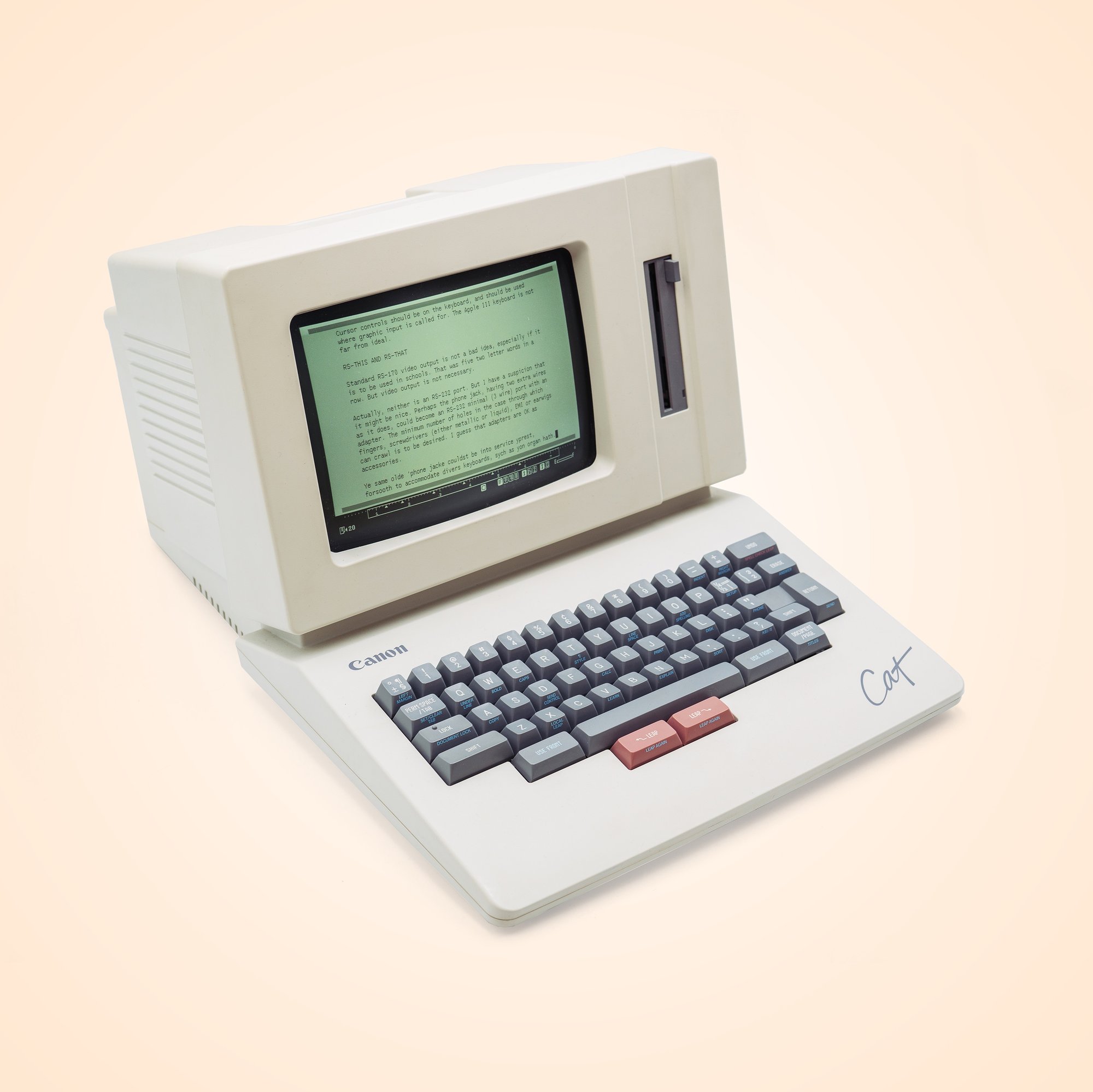
Perhaps Jef Raskin was just a fascinating person who deserves a great biography. Perhaps I read Jef’s The Humane Interface at exactly the right impressionable age, where its combination of art and rigor as applied to interface design molded me like few books since. There’s no “perhaps” in how I still acutely miss some ideas behind Canon Cat’s interface every time I encounter an unpolished implementation of ⌘F, or every time I fight with Apple Notes. And I’m sometimes angry at GUIs for sucking the air out of the room and throttling innovation of the interfaces that preceded them.
Or perhaps, it’s as simple as this: a singular vision from someone smart and passionate is exciting no matter its eventual market outcome, especially if that vision operates on many levels – from the ambitious general notion, to a set of thoughtful details that give it a lot more credibility.
⌘
My book has been buoyed by kindness of fans and strangers.
Some while ago I shared the story – still a favourite – of finding an obscure photo thanks to the help of a dedicated librarian.
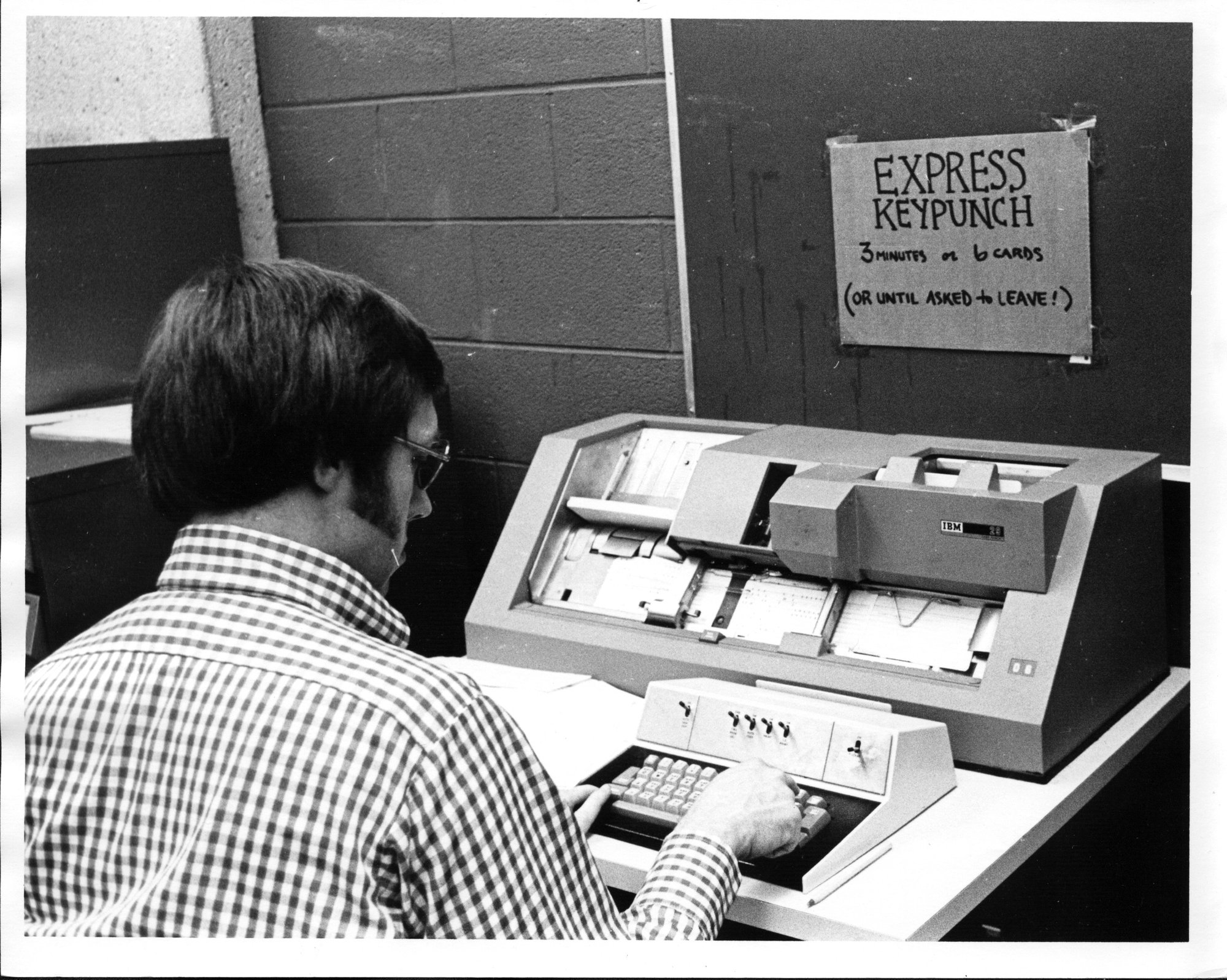
The solitary “ergonomic” notebook prototype made by, all of companies, SGI, had to be tracked to a new owner, retrieved from storage, and the photos were taken by him literally on the bed of his hotel room.
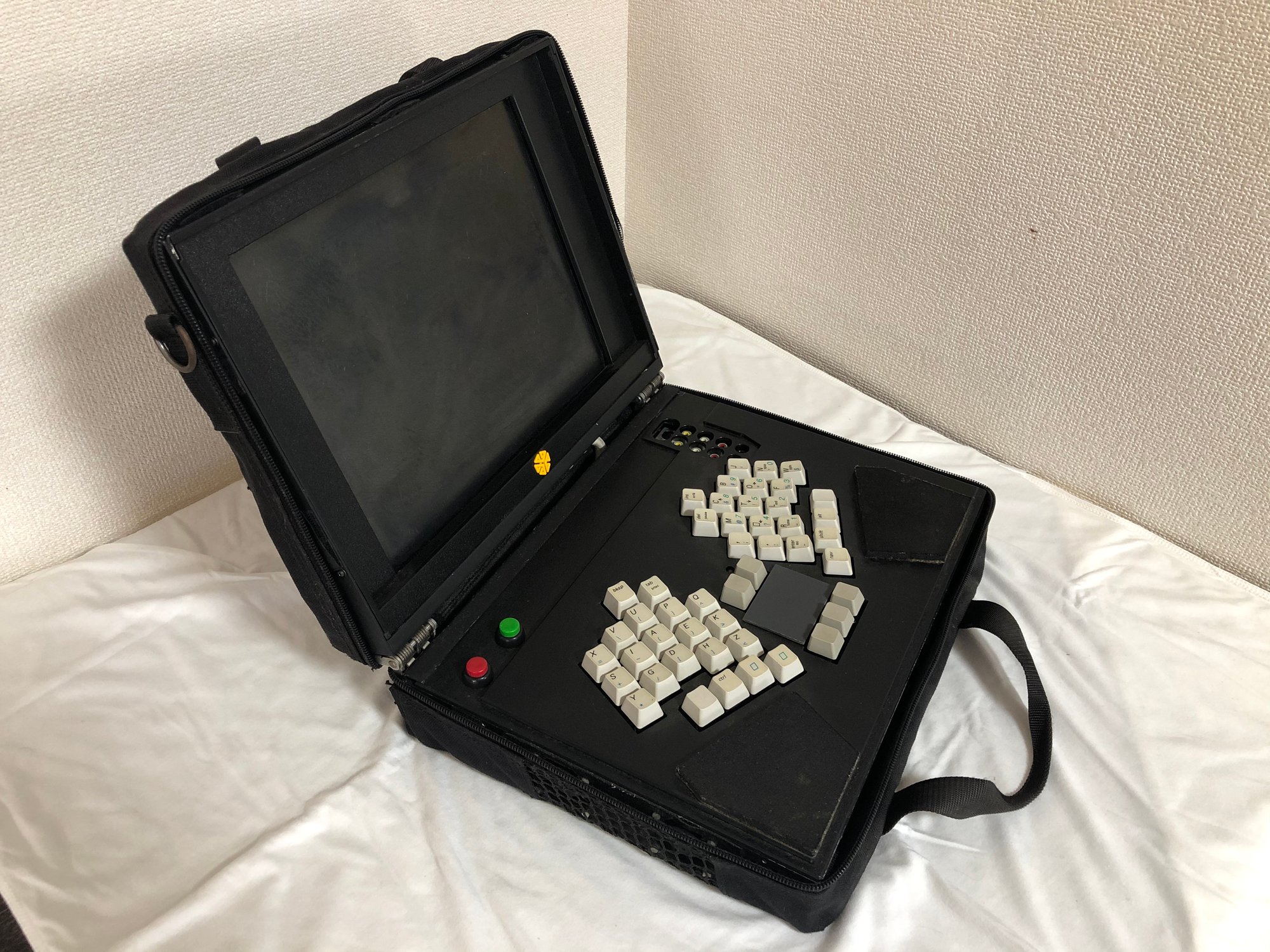
A few renders on page 836, mirroring a relevant earlier layout from page 657, were submitted by someone who refused to be paid and barely agreed to receiving a credit.
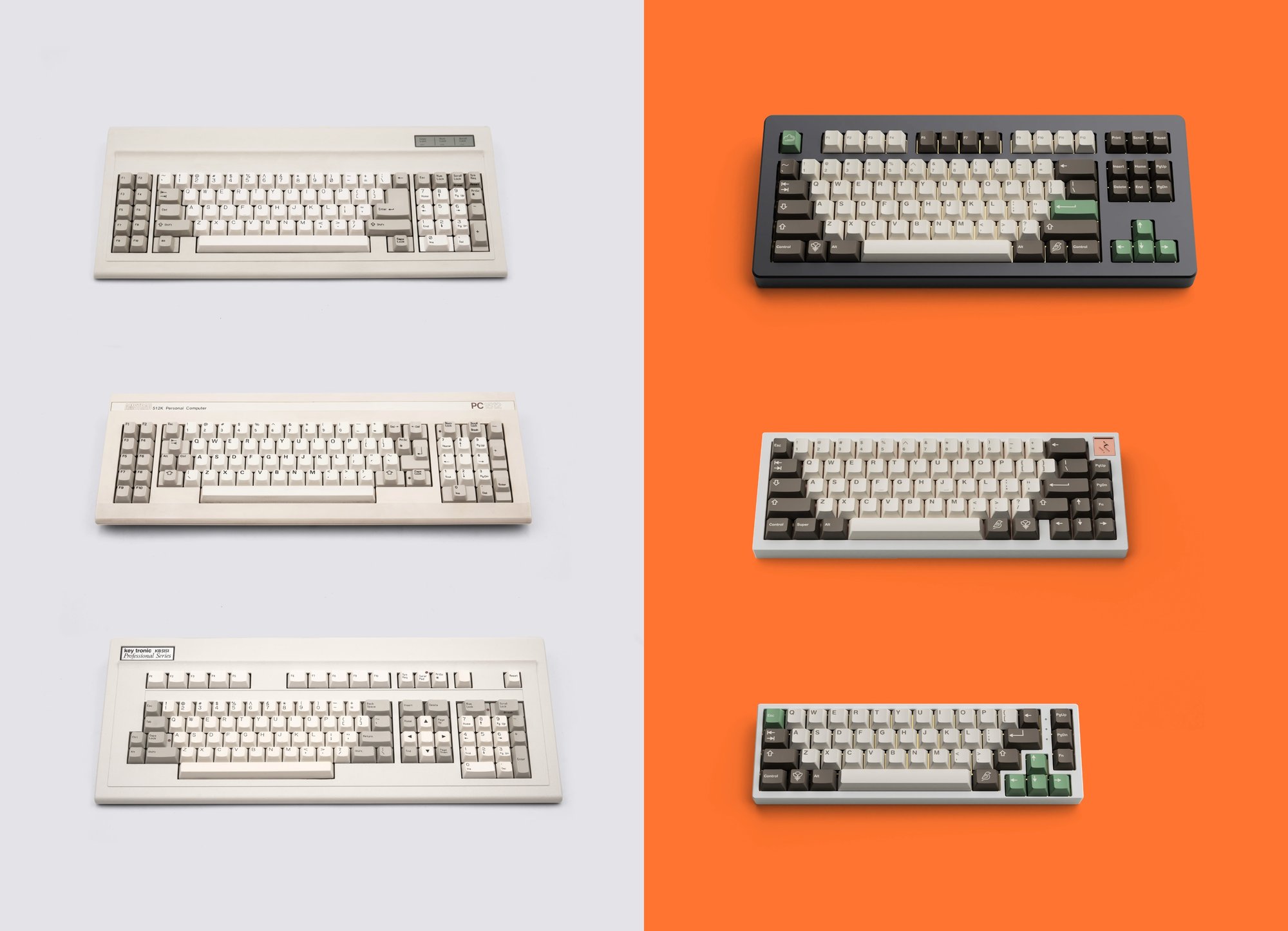
Similarly, the photo on page 853 was taken exclusively for the book in a style that was meant to match the Frogdesign prototype on the facing page.
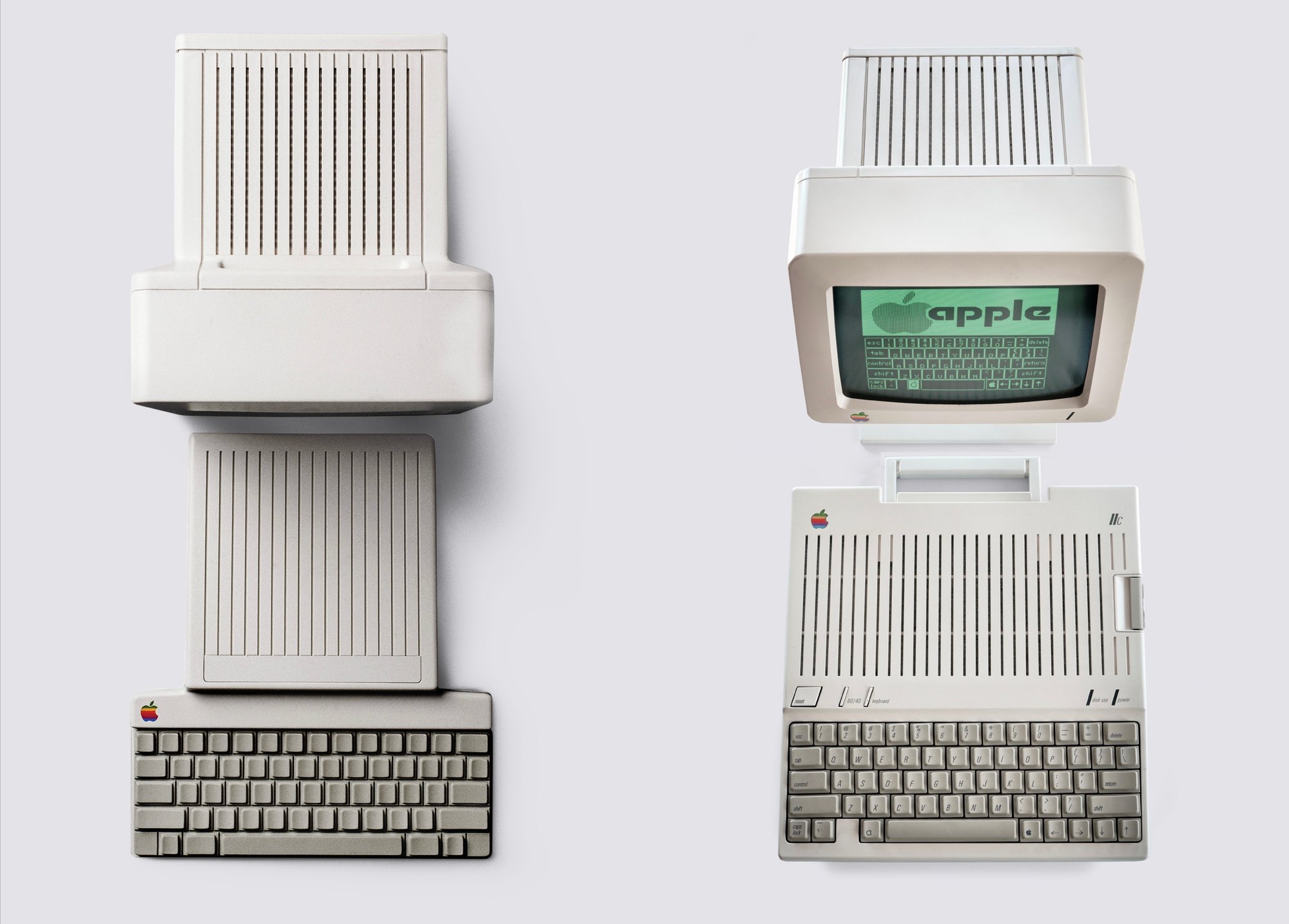
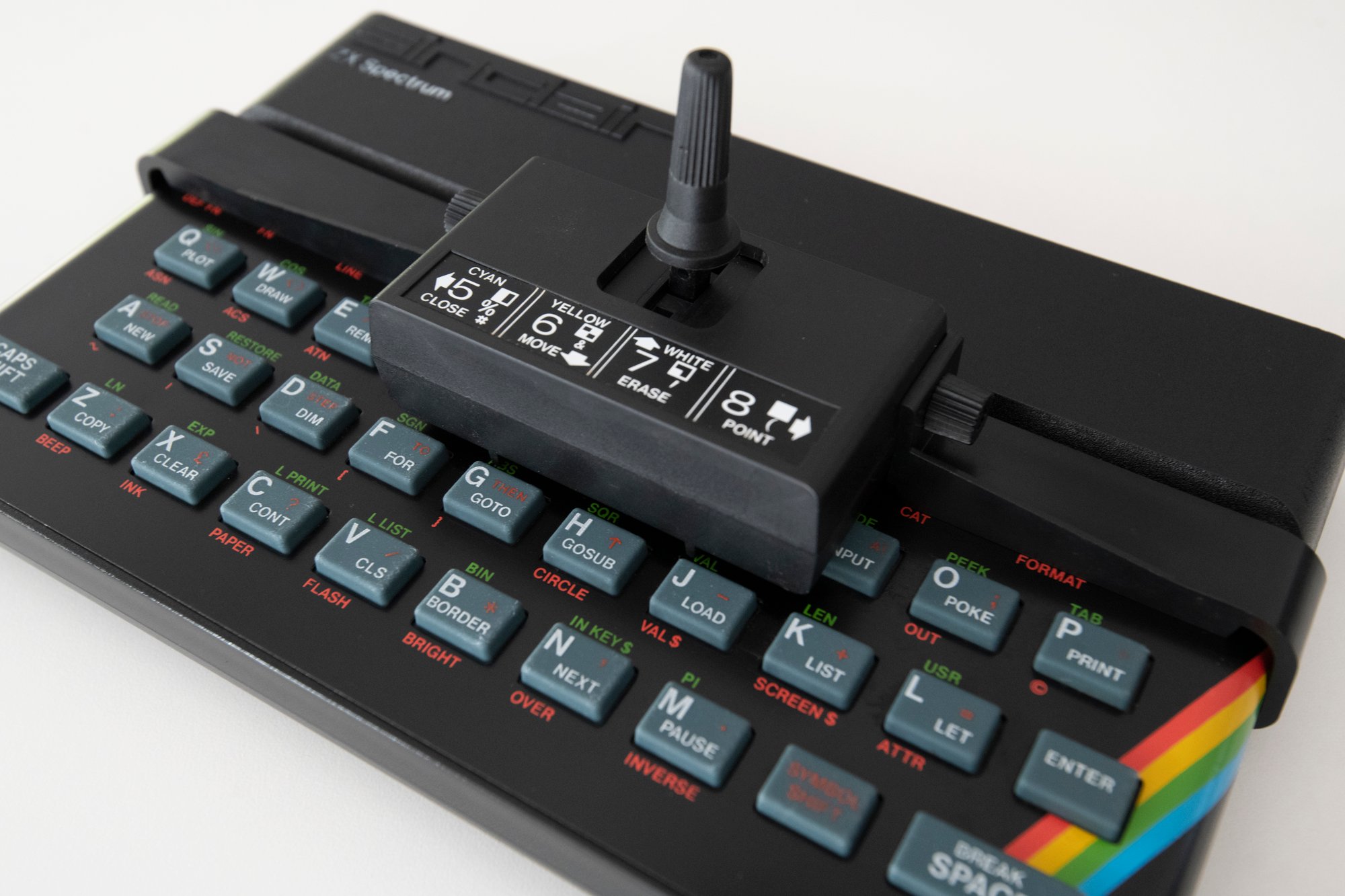
Another time, I asked someone for a photo of the ZX Spectrum joystick, not expecting much, and then received tons of extraordinarily detailed photographs, over 45 megapixels each. “Oh, I’m a photoastronomer,” said the person who donated them after I asked. “I usually just point my camera away from earth.”
It’s tough to list those examples as I don’t want to miss anyone – but it’s also impossible to list them all just because there were so many.
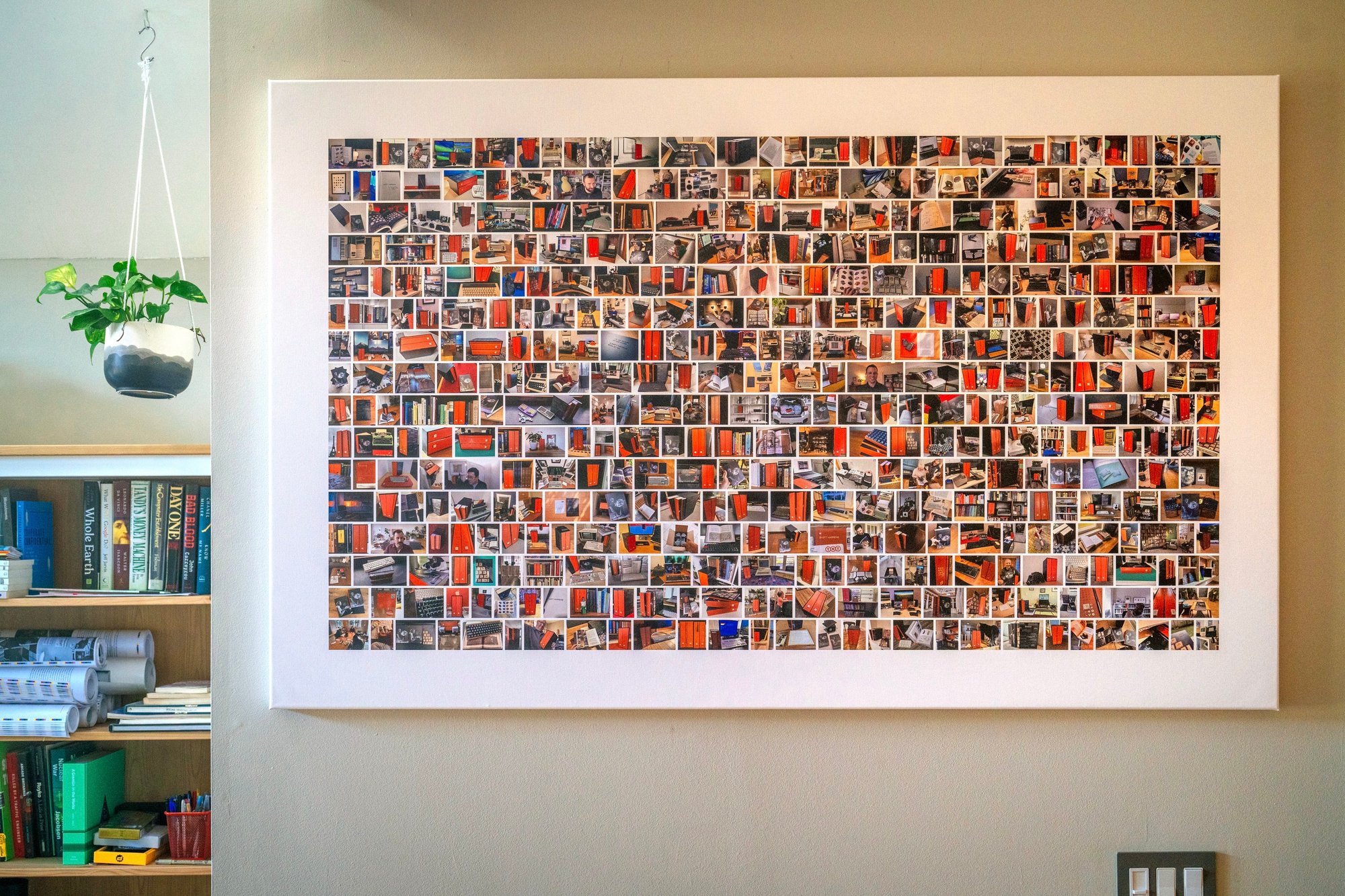
Even the photos of the book on people’s desks and bookshelves that I collated into a print I still have on my wall were all kindly sent over, each one of them absolutely optional.
(Even in the last few days, people helped figure out what’s happening with those Japanese keyboards I showed, in real time!)
⌘
The finished Canon Cat from 1987 remains a fascinating “what if” – someone called it “a remarkable cul-de-sac in computing history” – and adding to its allure were numerous prototypes that went in even wilder directions than the end product. I skipped them altogether in the book not to muddle the entire story, but they’re worth checking out.
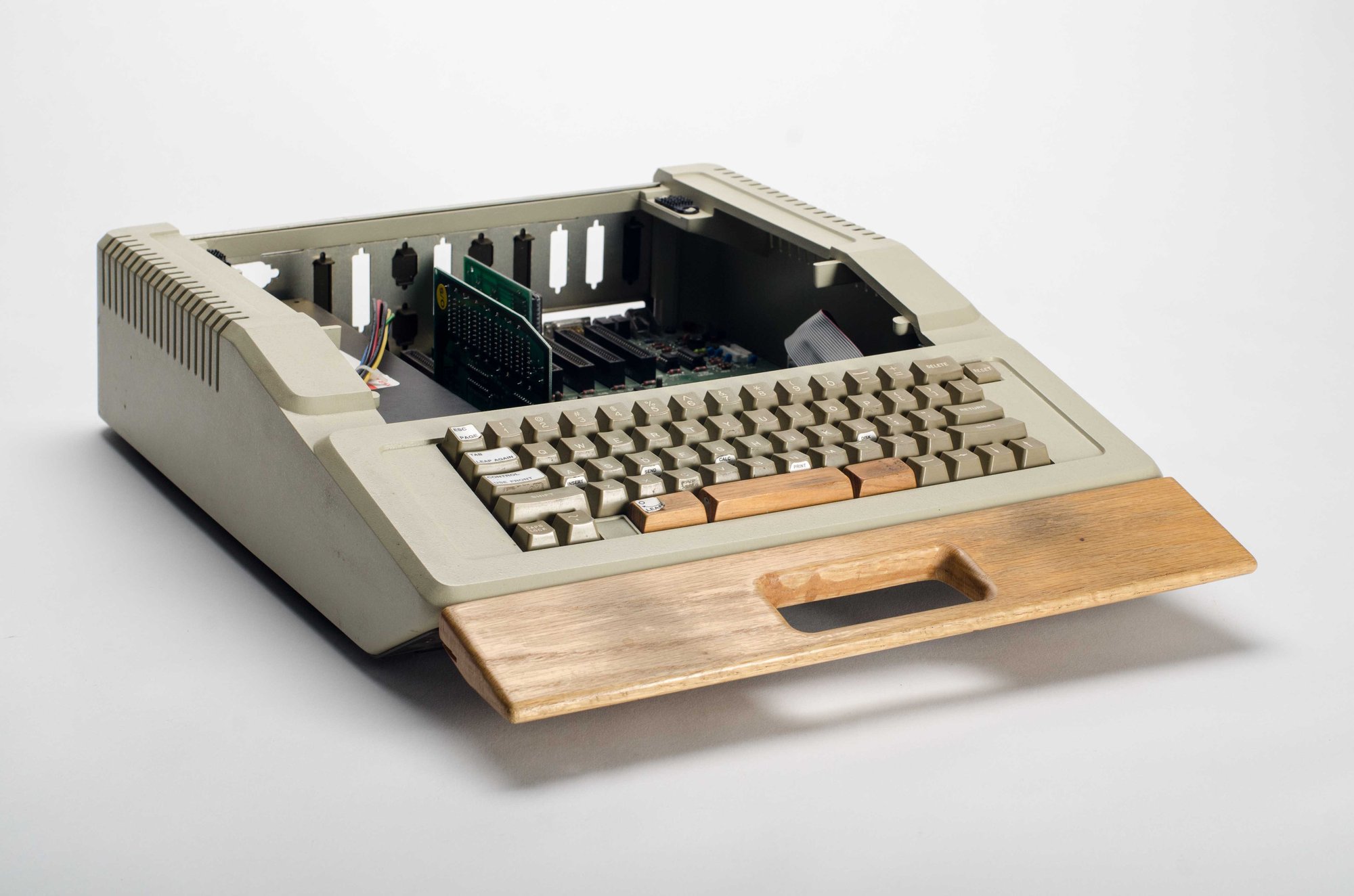
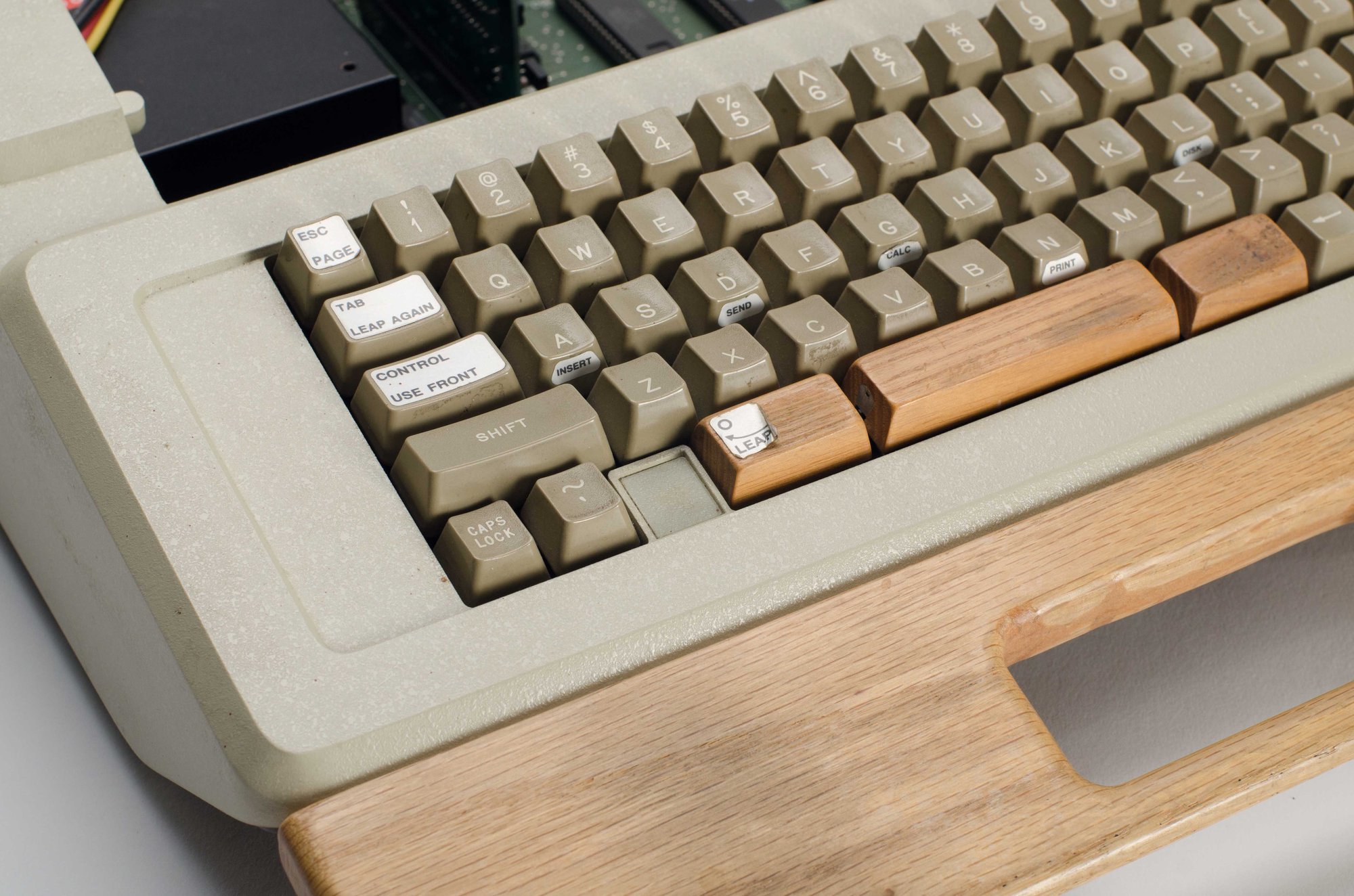
After Raskin’s ousting from Apple in 1981, the Cat – just like Keyport 717 – started its life as an appendage to the venerable Apple II.
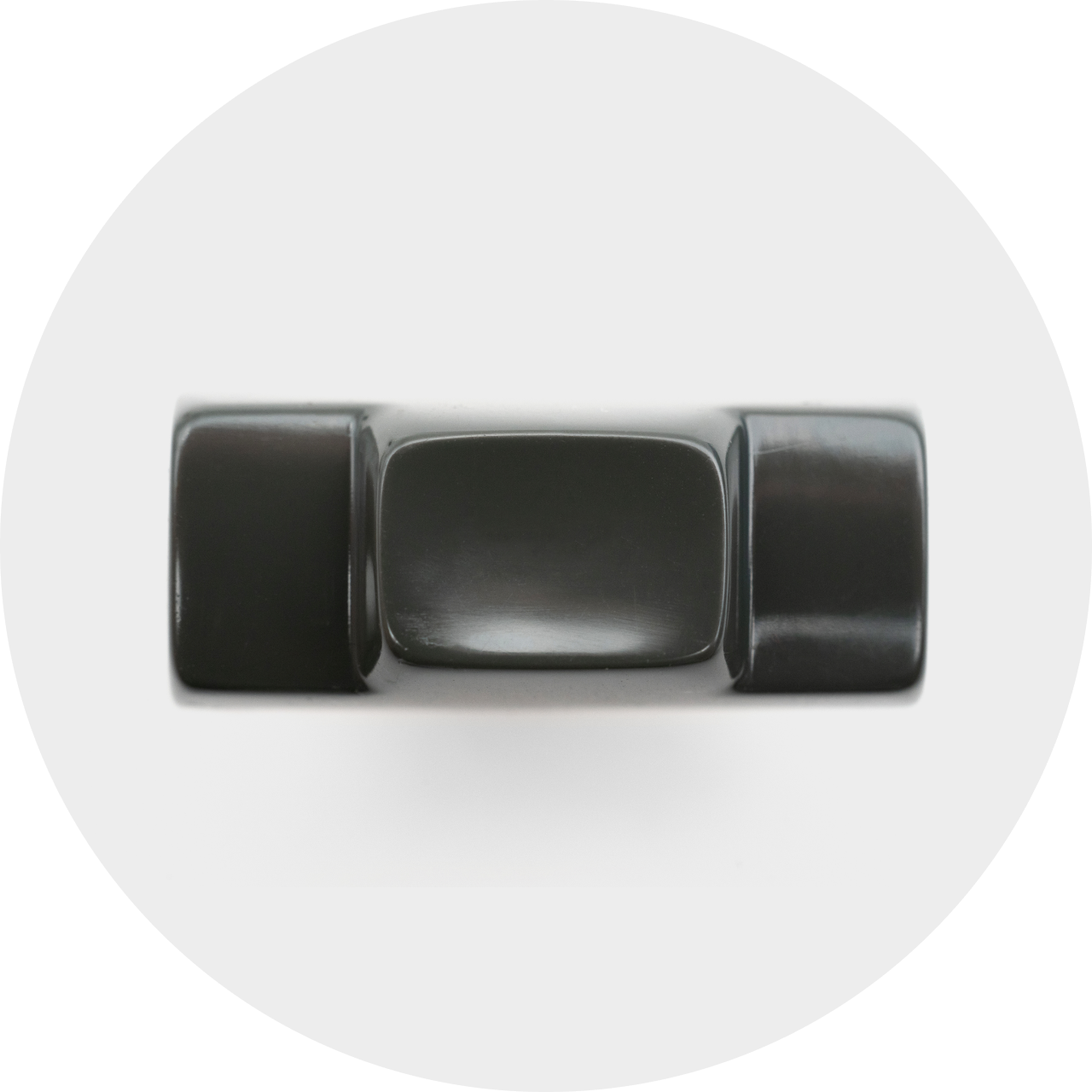
There’s some beauty in the Cat’s iconic Leap keys covering up Apple logos. I absolutely adore how this looks:
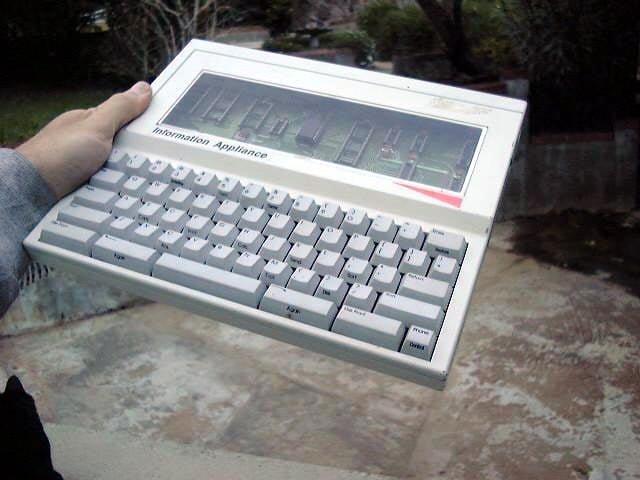
At some point, there were also multiple prototypes of a portable Cat, using a slab form factor similar to the Z88.
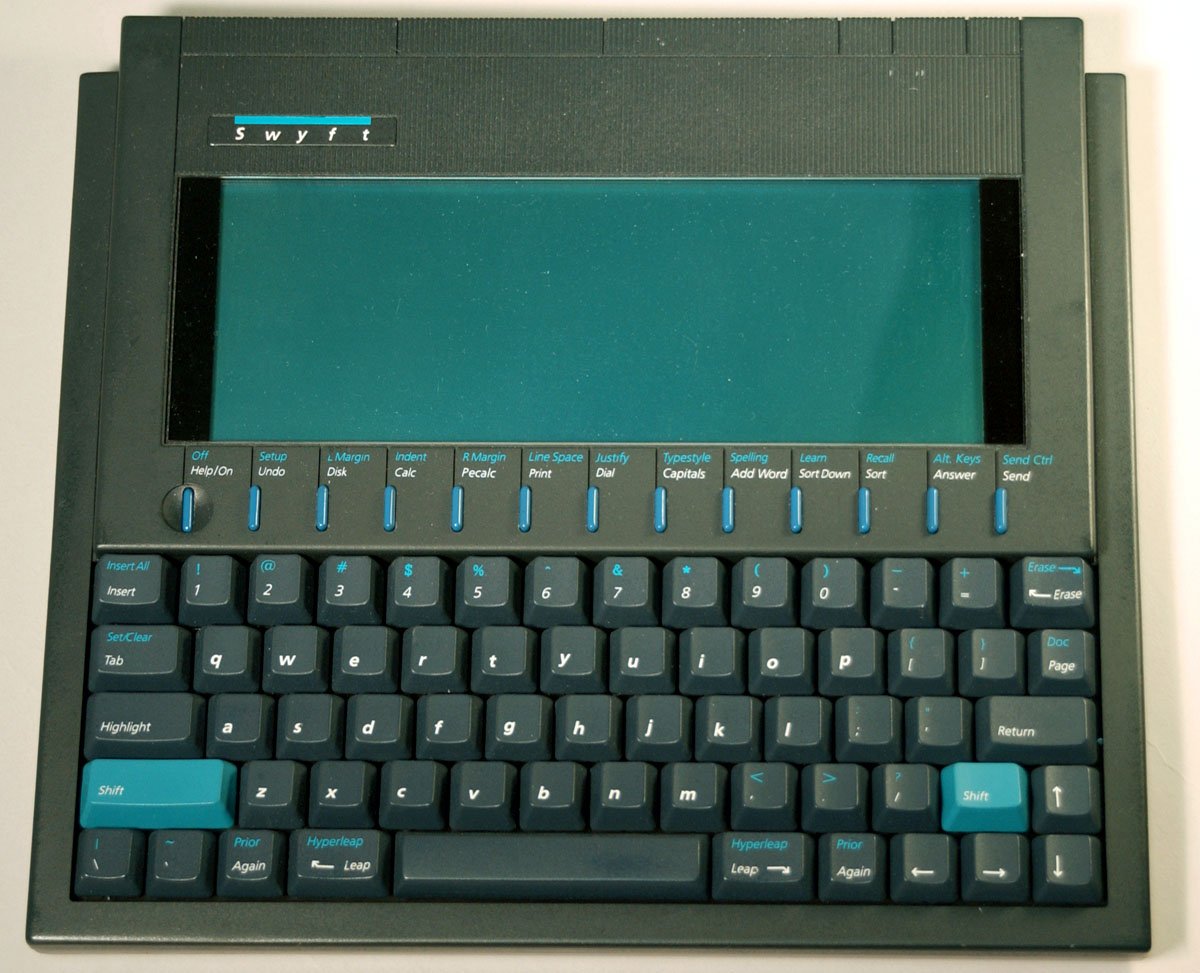
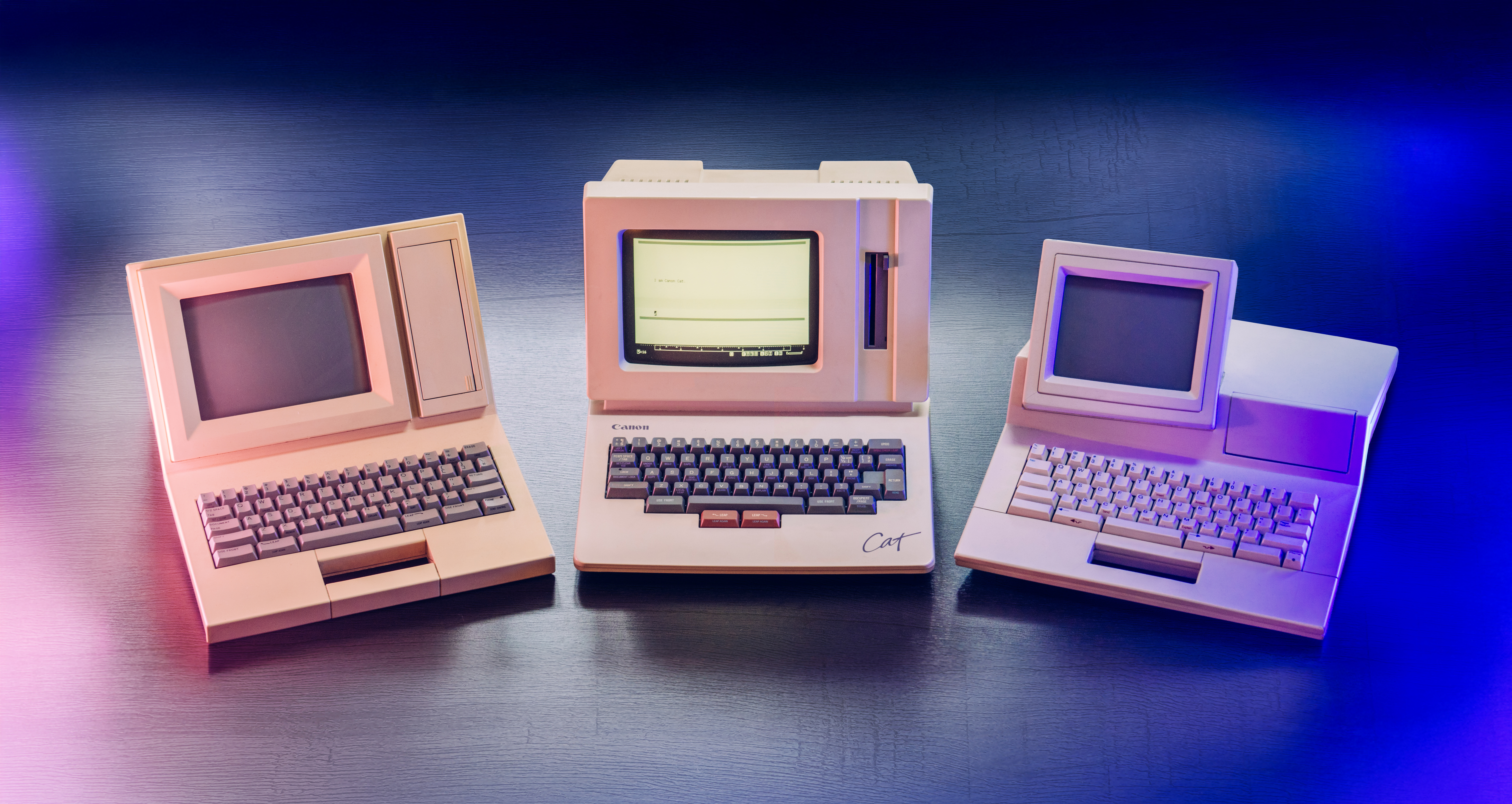
And, somewhere in between, were these two handsome machines:
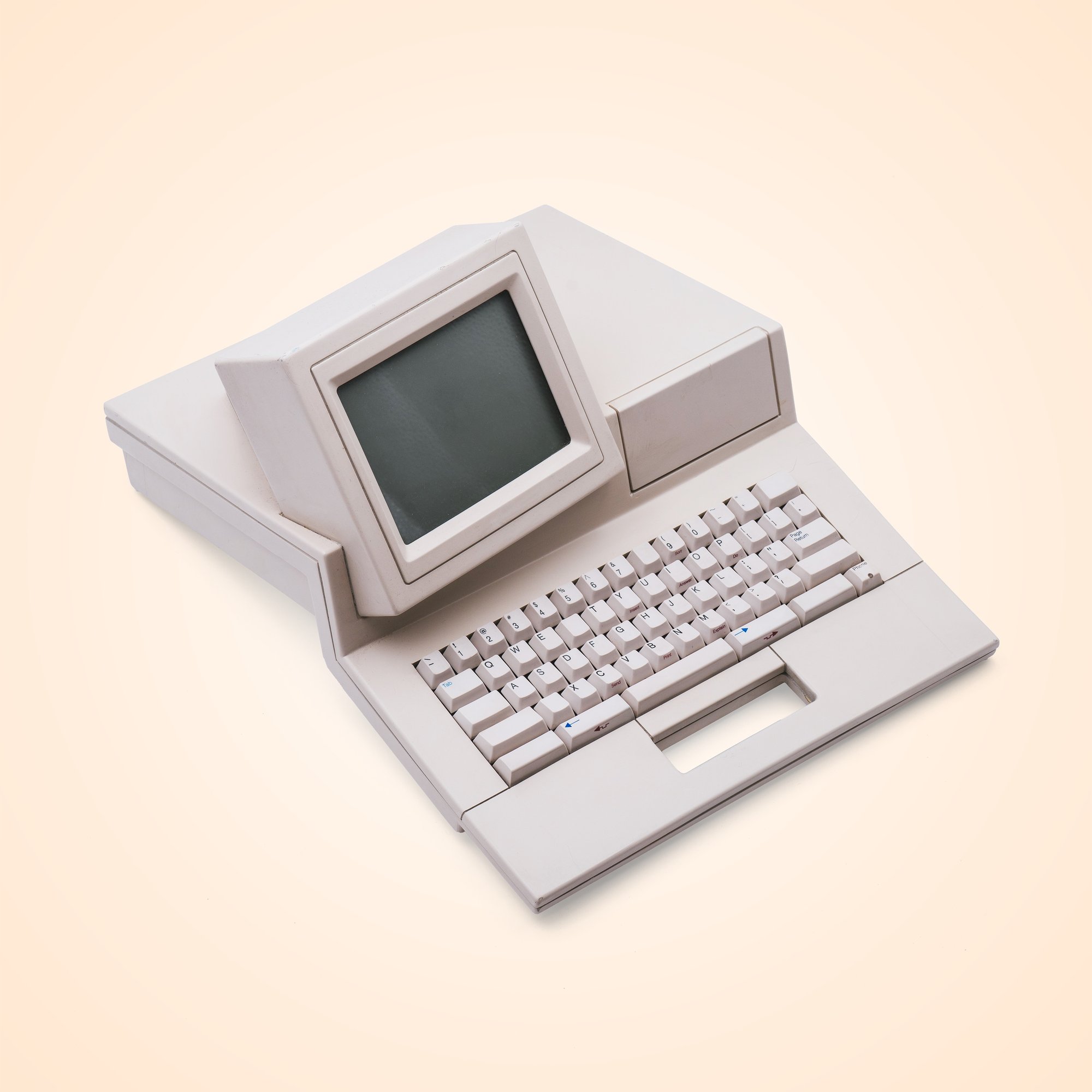
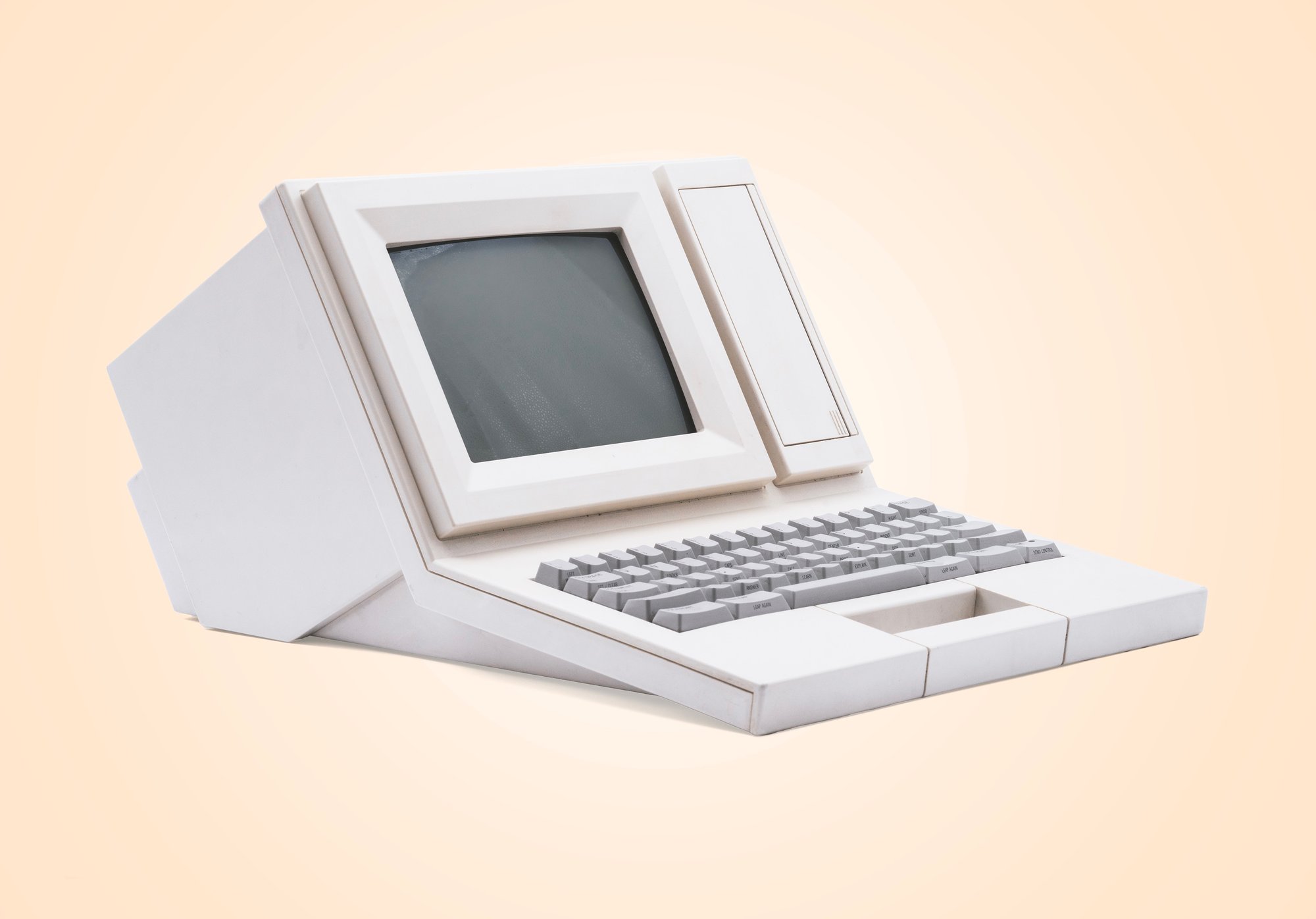
Some of you might have noticed something. Wait, these look sharper and treated exactly the same as the Cat at the top of this post. Does it mean you actually have these two prototypes?
Yeah, I do. Earlier this year, a kind reader just donated them to me.
⌘
The prototypes are really fun to look at.
The eventual Cat ended up being softened and chamfered. These two are still angular, cyberpunk even.
The NEC PWP-100 keyboard was beautiful because it was perfectly symmetrical. That’s a hard achievement, but it’s even harder to aim for asymmetry and own it, and do it well. I think both of these prototypes do asymmetry really well.
The prototypes have handles, but even with these small screens, the’re rigid enough that you wouldn’t want to grab them in one hand, and not light enough to comfortably carry. It’s not a surprise to me that the handle is gone from the final product (or, moved behind the screen), and its space occupied by the totemic Leap keys.
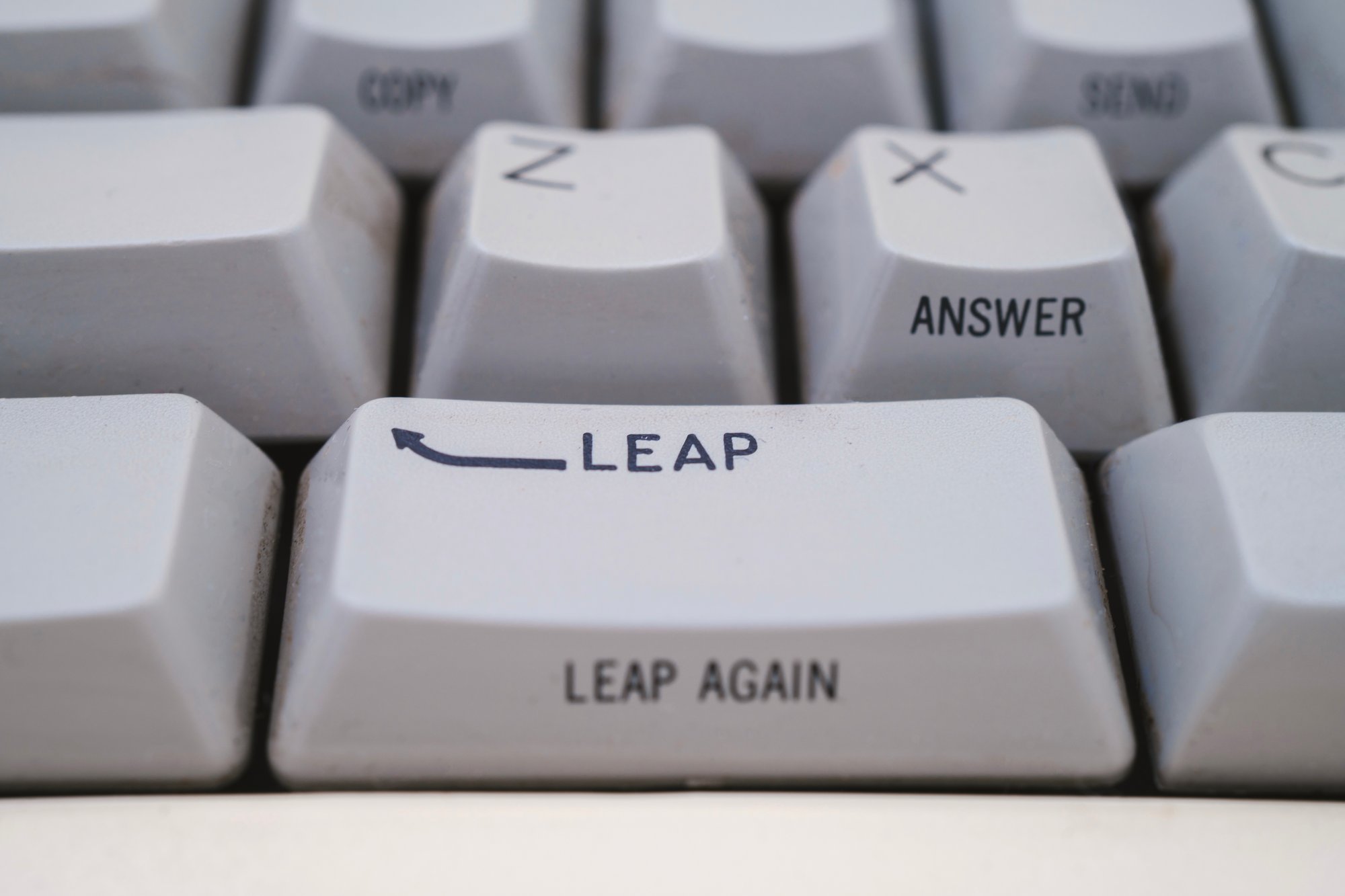
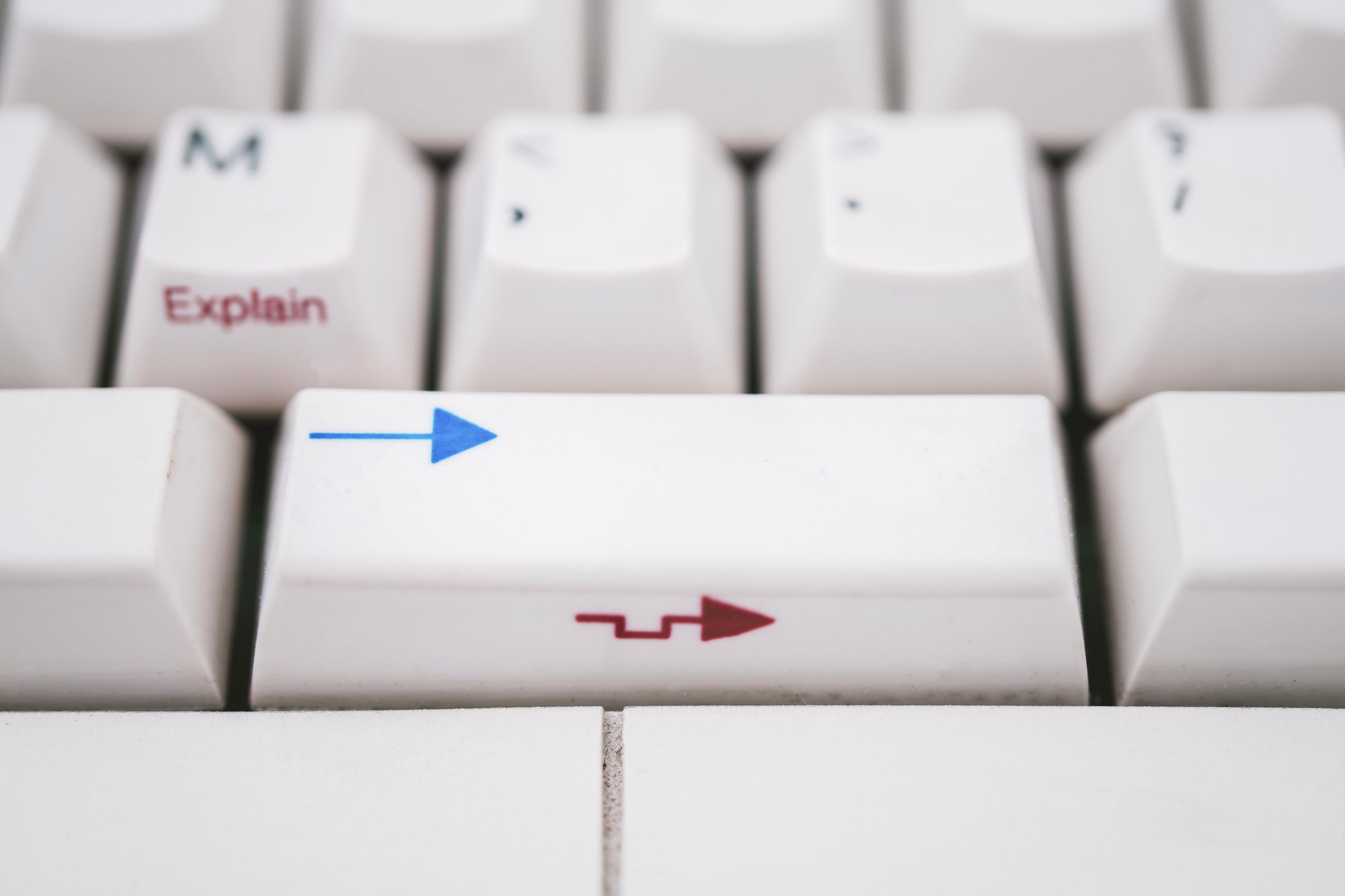
It’s interesting to see those keys still on the sides of the spacebar. This location makes them not as fun to use as where they eventually ended up, although I appreciate the Leap keys in the earlier prototype feeling larger than Shifts (they’re almost as big as the spacebar), and the European-esque iconography.
It’s also interesting to think of what Canon brought to the picture. Was it a similar story as the Remington finishing the already-finished first typewriter? Did they ask for the slightly different visual language, the bigger screen, the name? Or was it Jef?
I know that the font on the keycaps that I find absolutely beautiful and want to recreate one day was Canon’s (and an exception that proves the rule: I’m not angry about Gorton here being replaced with something else). That font was also there on Canon Typestar word processors, because hell yeah! Canon had even more product lines than the ones we listed last time.
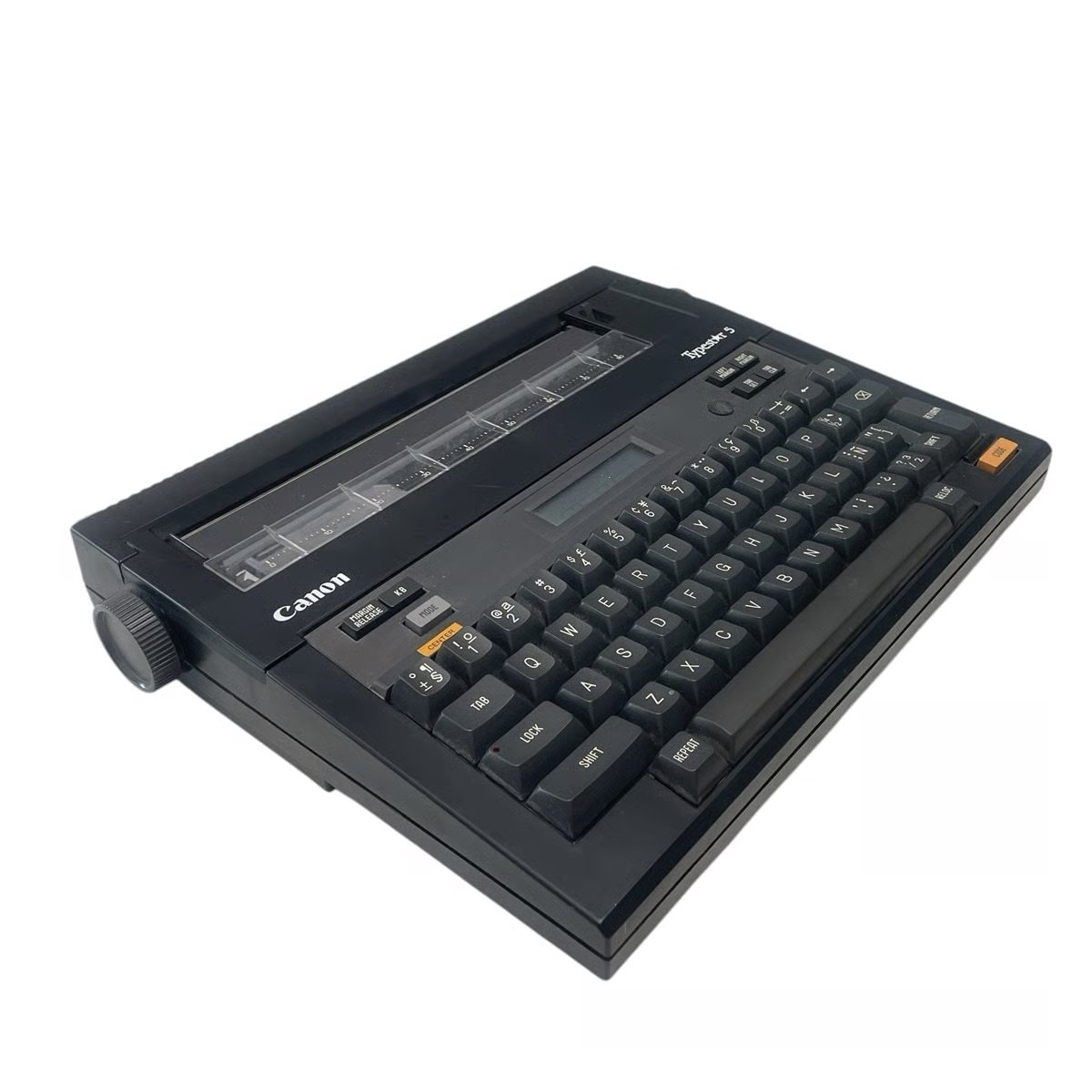
The prototypes feel more like home microcomputers, but the end result is more word processory, with a Caps Lock-y key on the left, and the tilde and braces keys overloaded with characters (the keys show them all, but the available few depend on the letter wheel you install in the printer).
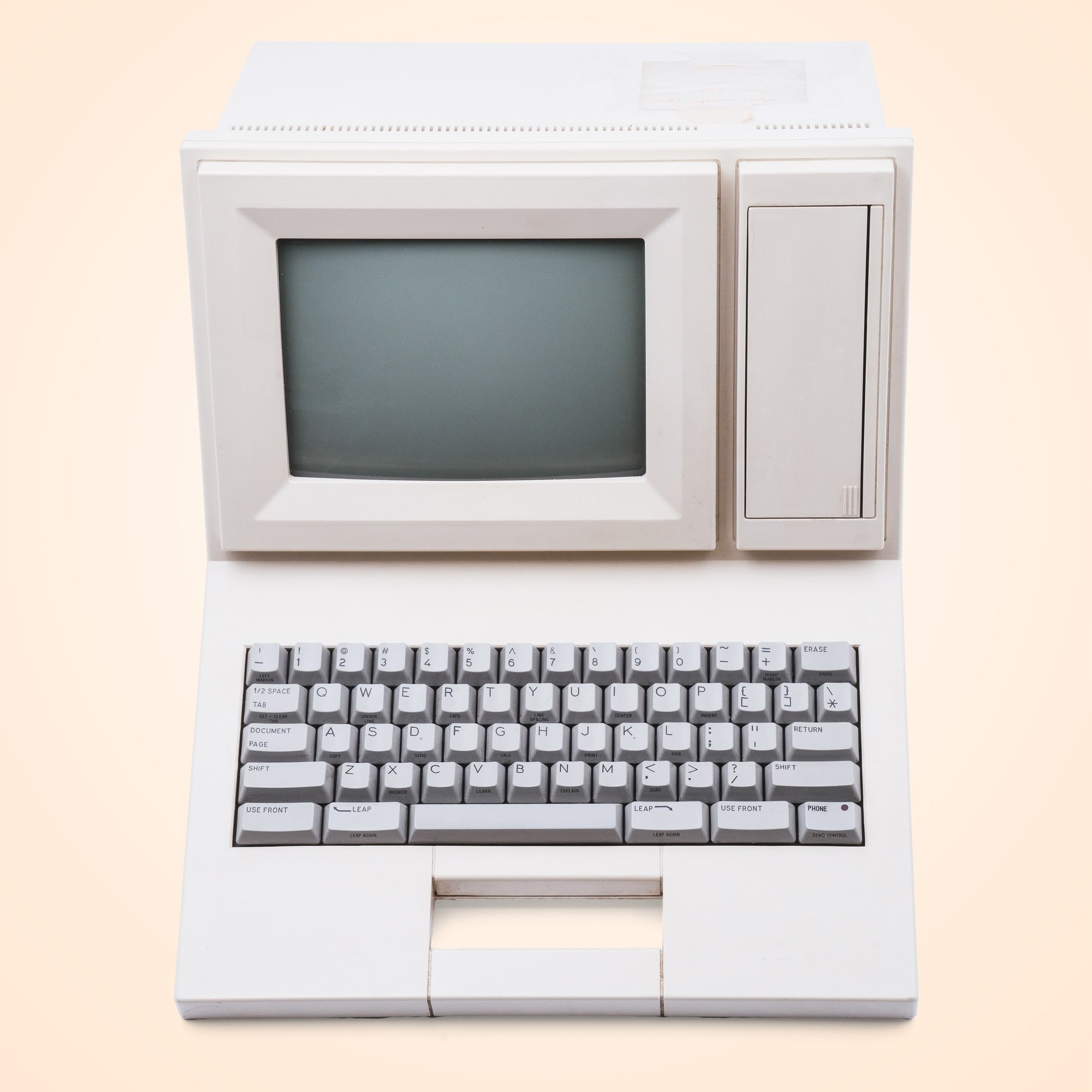
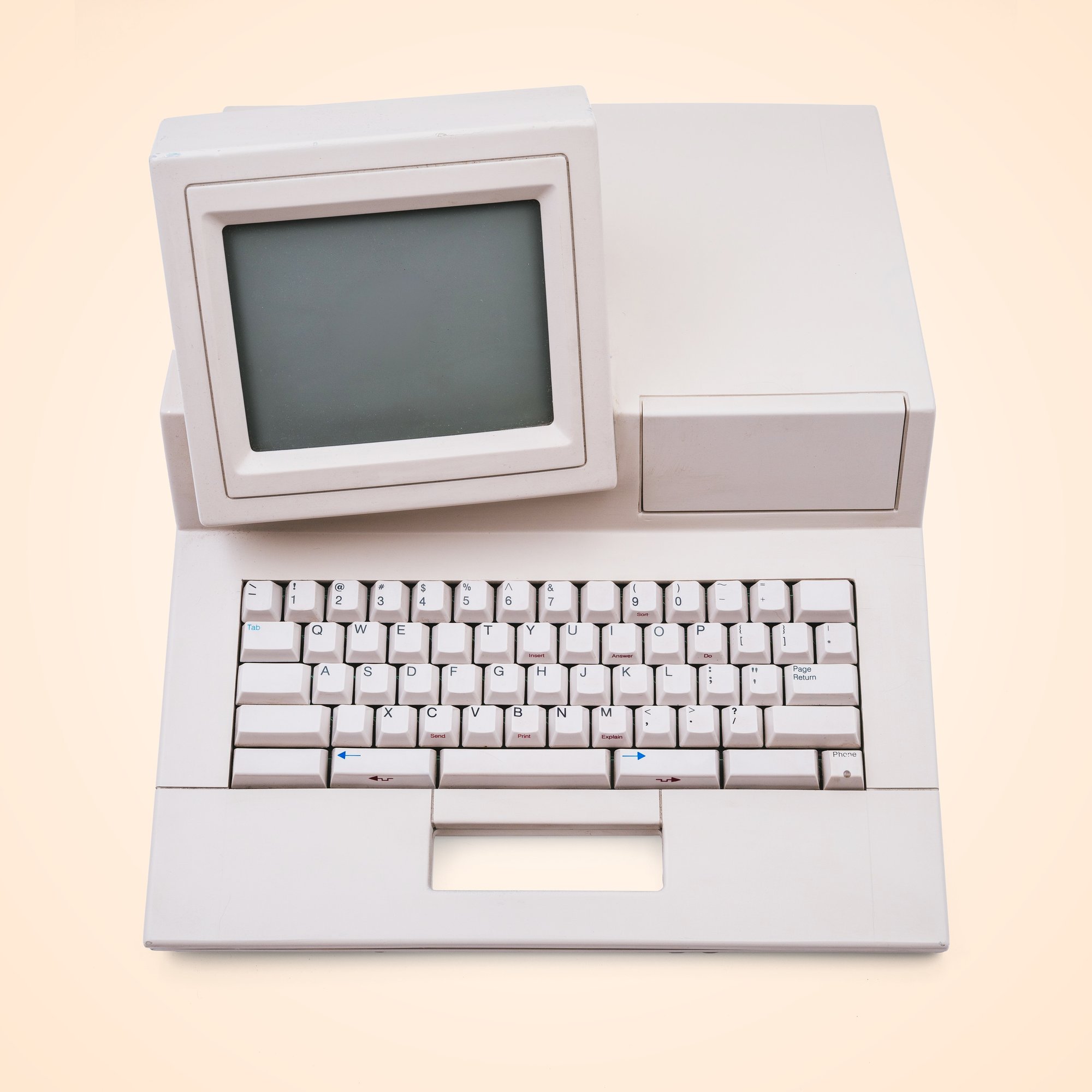
I am still learning things about the Cat from looking at those keyboards. For example, only today I noticed that Left Margin and Right Margin legends are on the sides of the top row – I am sure as a touch of skeuomorphism to mirror physical handles on the typewriters.
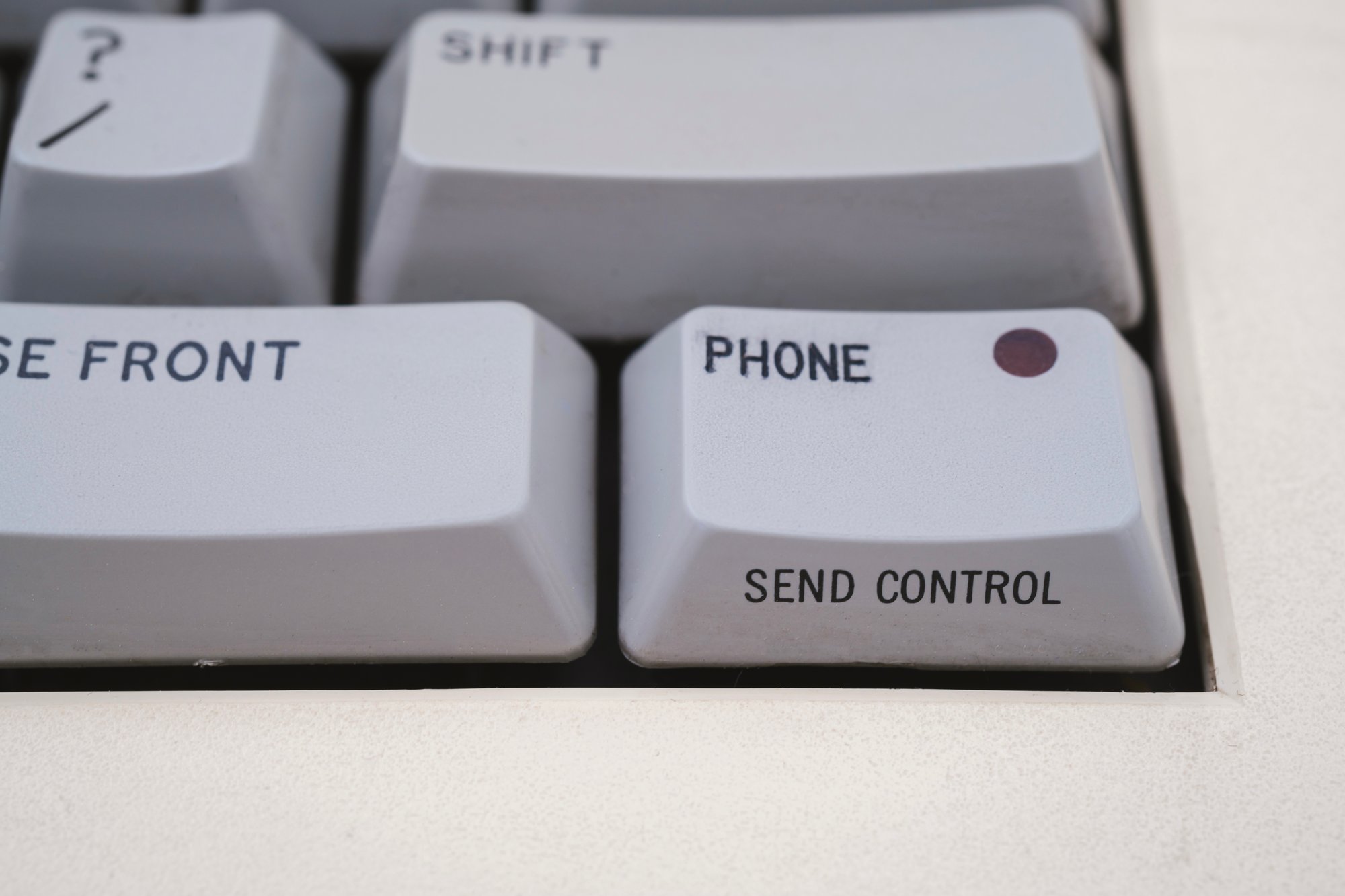
Both prototypes also have a prominent Phone key with a light that the final product lacks.
There are also mysterious prototype’y things. A weird wheel that doesn’t rotate:
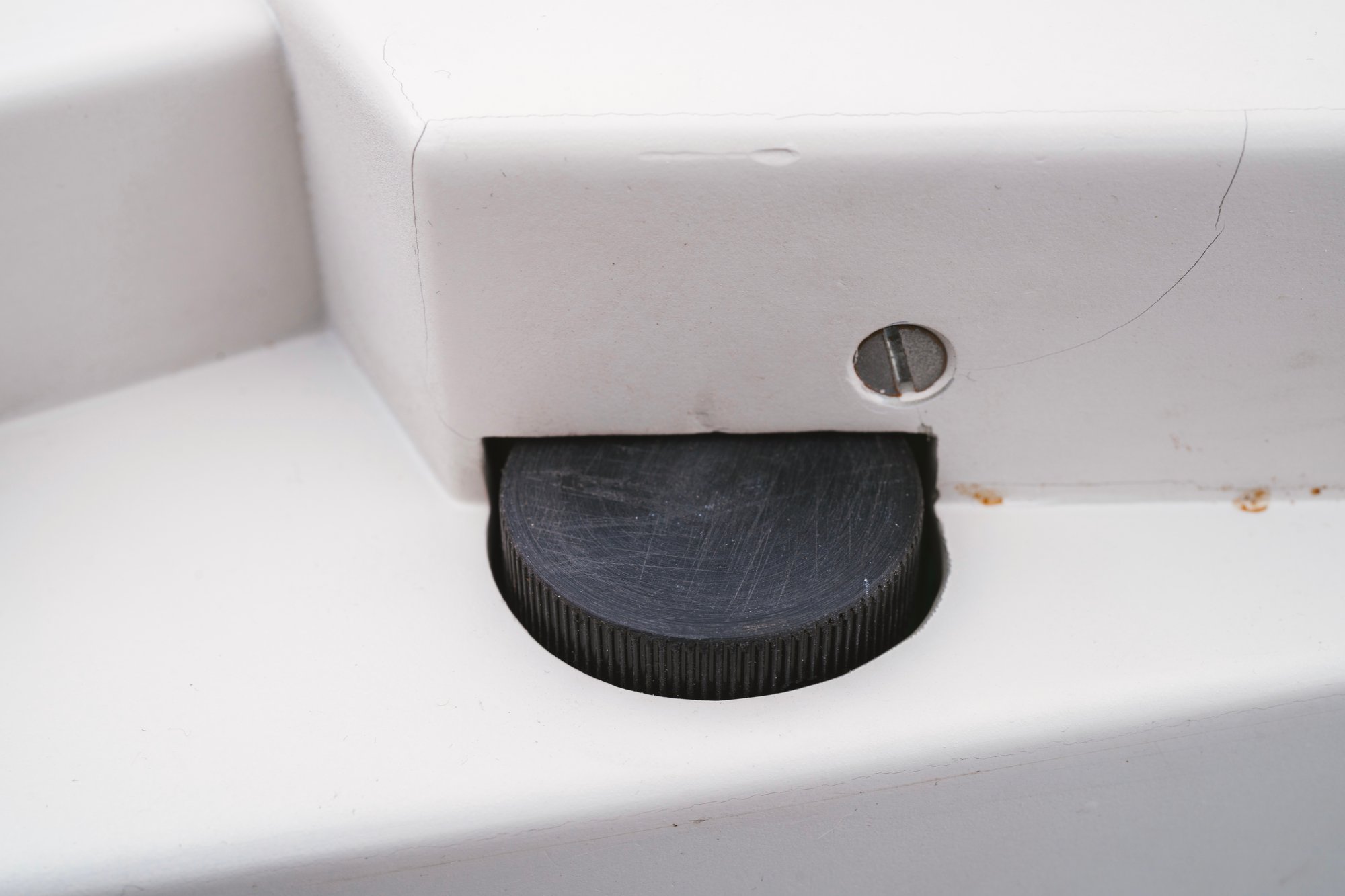
Some kind of, I guess, NMI or programmer switches:
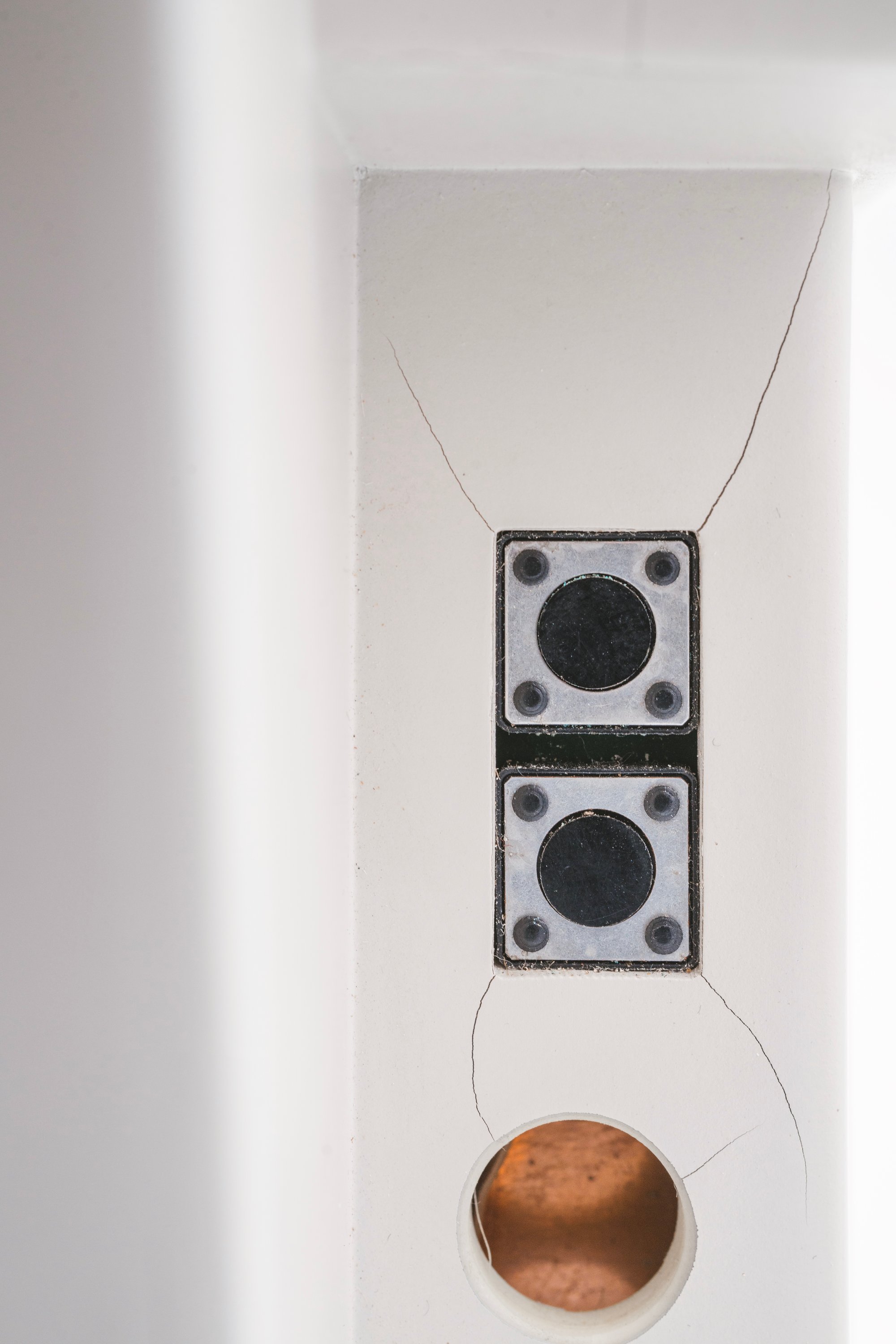
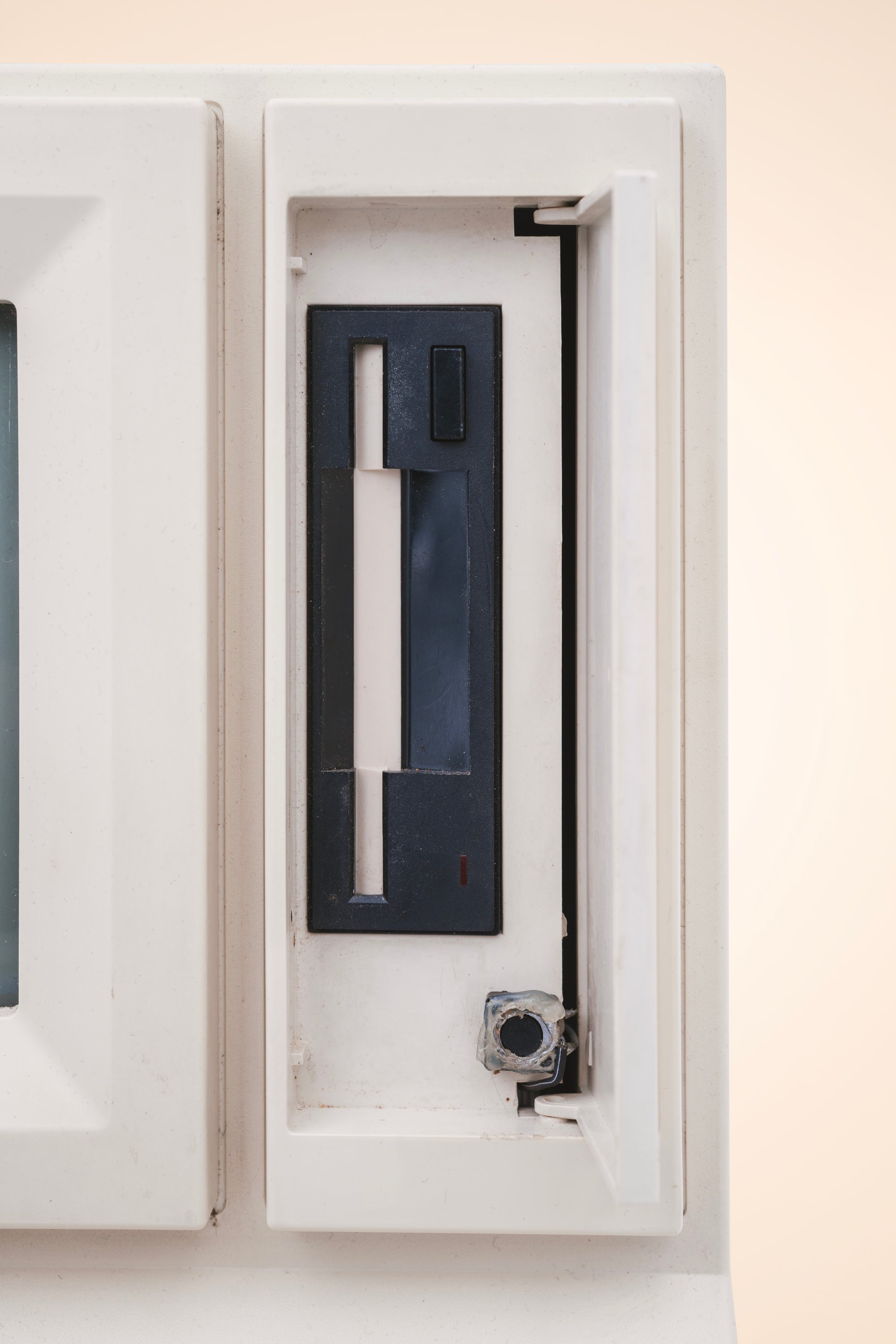
And some scribbled notes that once were meant to be temporary:
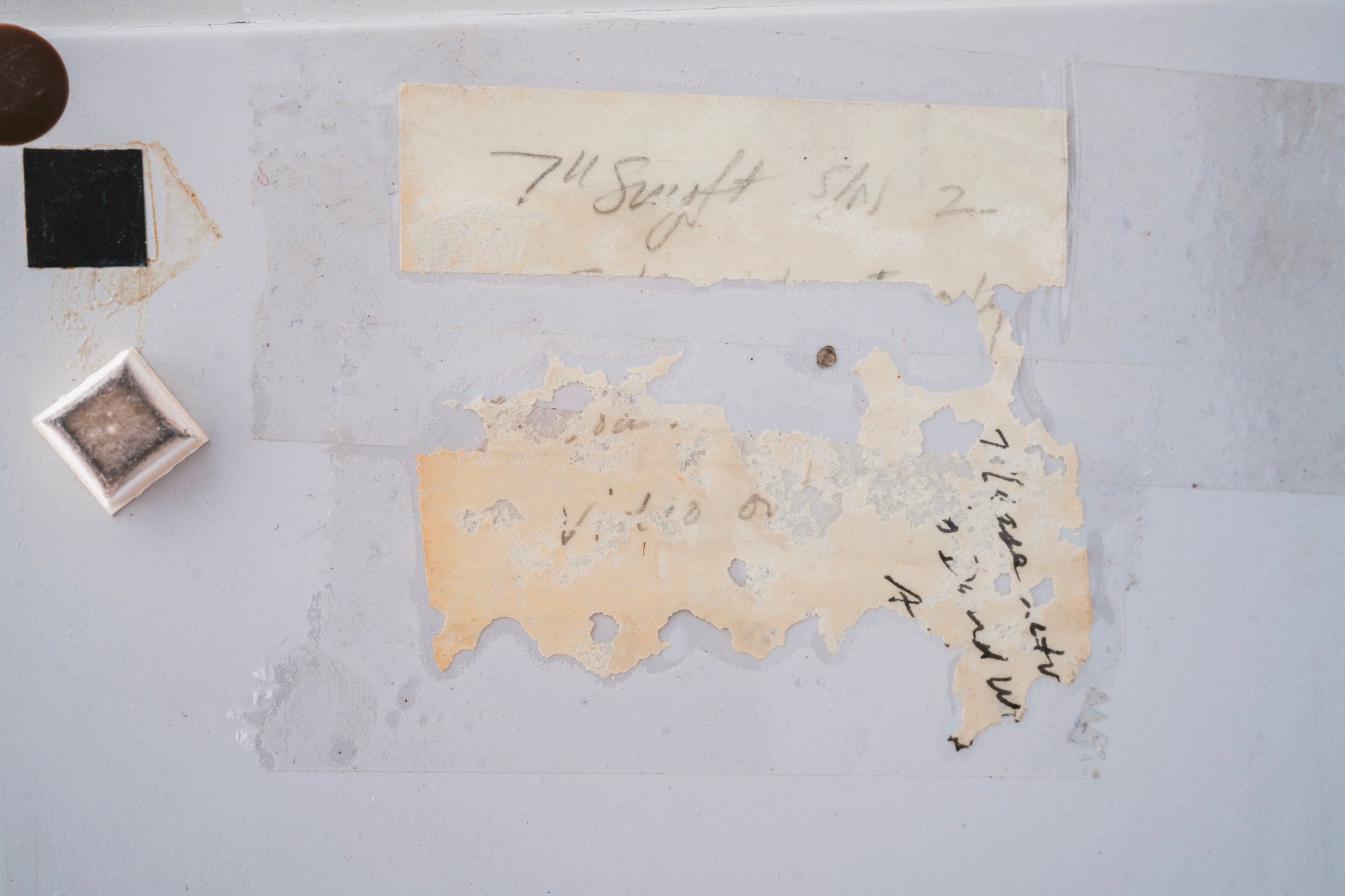
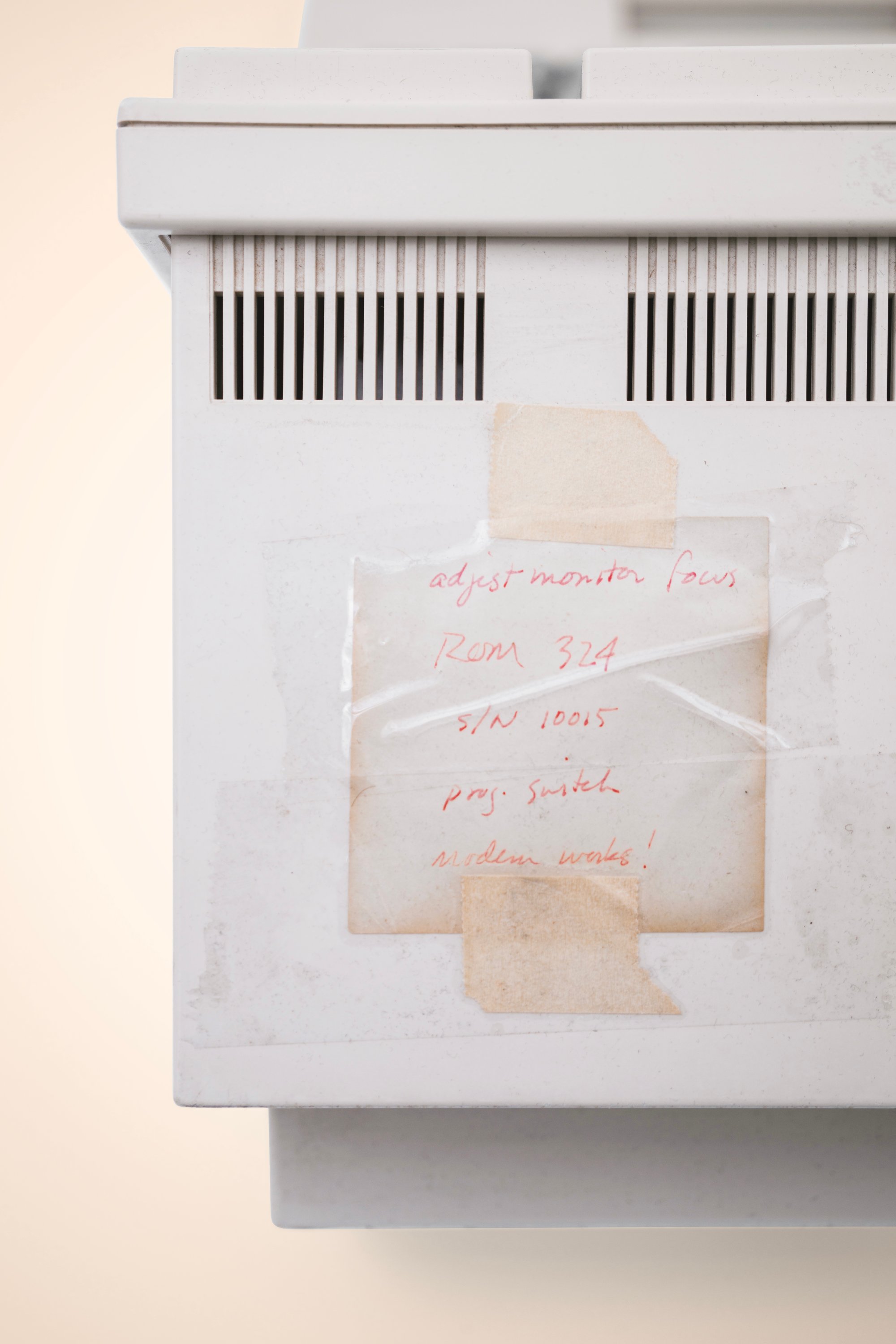
⌘
I keep looking at the prototypes now in my care, and then a few rare photos I found of other ones. The slab prototypes also have some interesting changes, like a row of soft function keys below the screen, something called Hyperleap, and color-coded Shifts very, very similar to what Z88 prototypes once did.
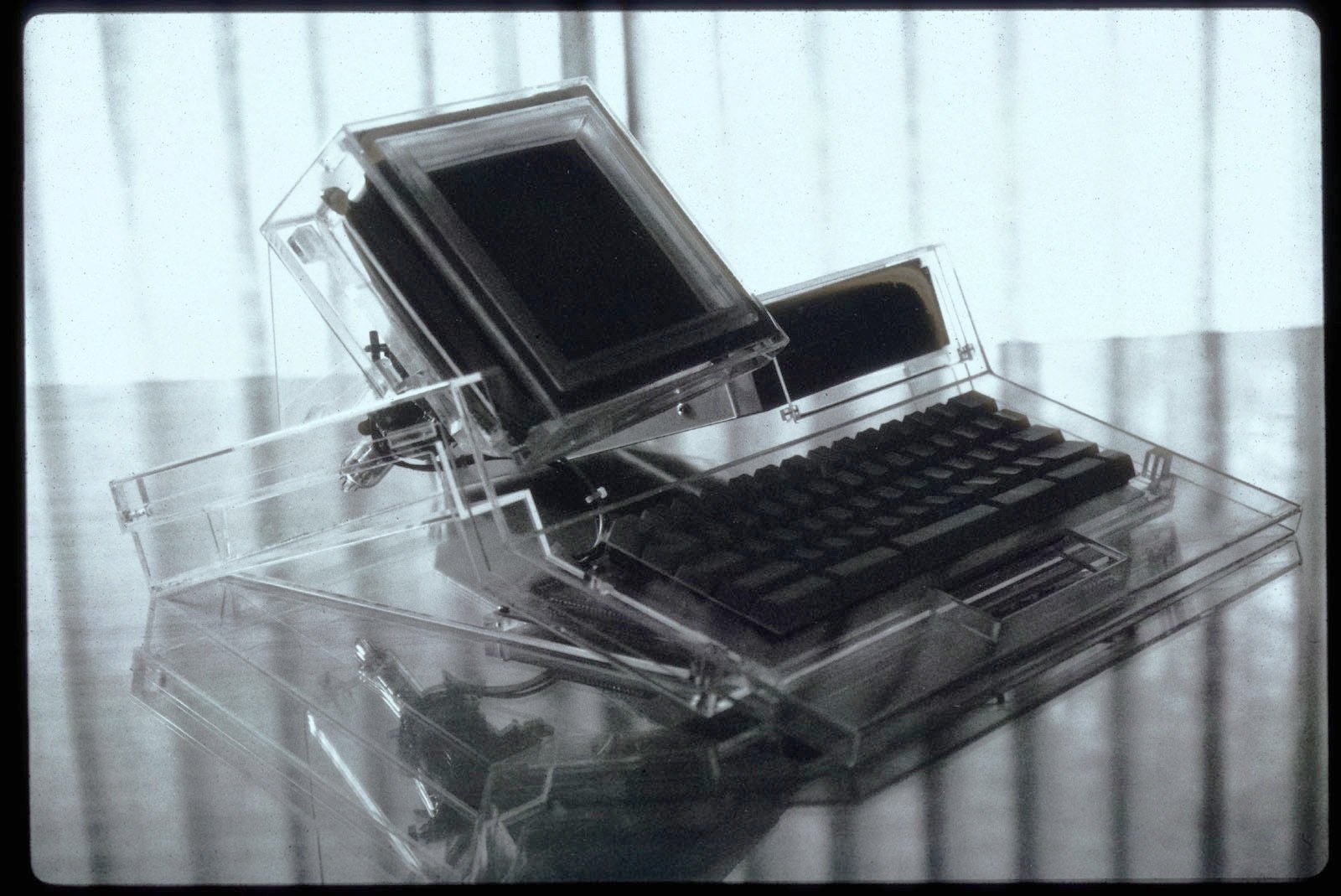
And there’s also an absolutely magnificent transparent version of the prototype I have:
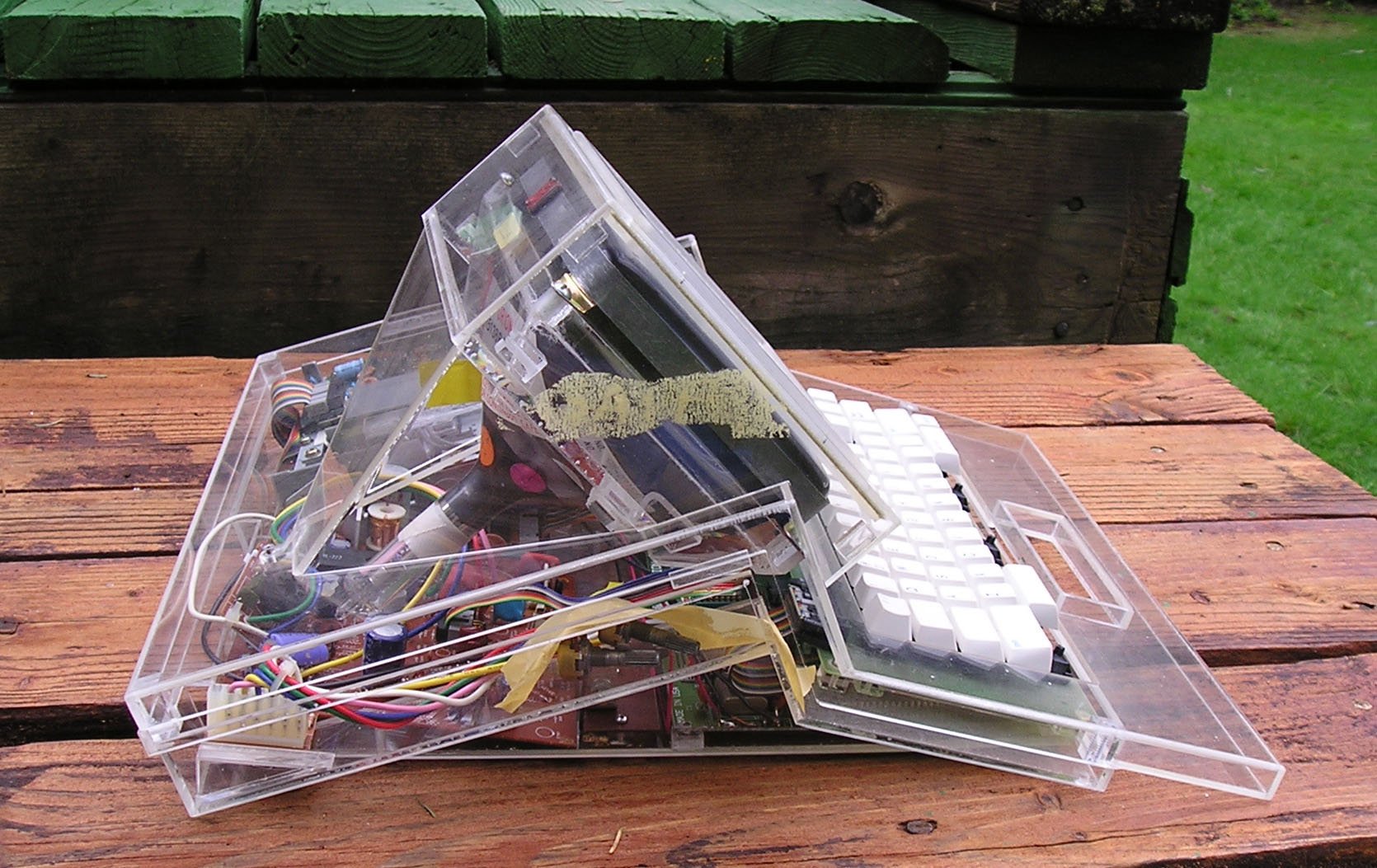
I am probably rambling. There’s enough here for a small book, but a book is not just a lot of words, but a lot of careful words. Much more research is needed here.
But I know what you’re really curious about: Do they work?
The answer is no. One for sure is reported as having problems with its screen. As for the other one… I’m a bit paralyzed. One doesn’t just plug in an old computer without understanding it. I should open these and see what’s happening with the old capacitors (which tend to explode and leak and corrode stuff around them). But despite YouTube Wrapped telling me I watched a whole damn lot of Adrian’s Digital Basement, I am not a hardware guy.
The prototypes also feel very fragile. I cleaned them up digitally in the big photos, but there’s a lot of cracks that make me worried.
Luckily, these are not extremely rare. The Computer History Museum has both, too, and I’ve seen a few pop up in other places.
But I still don’t quite know what to do with them. Please let me know if you have any ideas.
⌘
Cat was denied even the limping two decades that the M system got. If the main computer was a blink of an eye, then the prototypes, by definition, were even less.
But that blink of an eye continues to be a splinter in some people’s heads. Just last year, Cameron Keiser restored his machine. This year, Alexander Obenauer recreated Cat’s interface for himself and lived with it for a while. (I did as well, to some extent, for an upcoming essay. I will share it in January. Internet Archive has an emulator, but it doesn’t work well.)
I appreciate these, as I appreciate the donor of the machines that are now in my perplexed possession.
The same person mused “maybe you should write Raskin’s biography.” Hearing this, I was 95% flattered and 5% tempted. I’m curious if these numbers change in the future.
Canon Cat has always been a splinter in my head. Let’s see what having three splinters will do to me.
Marcin
In a few days: The machines we couldn’t save.
This was newsletter №48 for Shift Happens, a book about keyboards. Read more in the archives


